Pocket Tour Guide
Kathmandu
Kathmandu · Nepal

Kathmandu's Cultural Tapestry

7.5hDuration
6Stops
9.9 kmDistance
The city

Kathmandu

Listen

Kathmandu is like a living tapestry of history and myth spun together in the Himalayas. It’s said the city emerged from an ancient lake, drained by the sword of Manjushri, a Buddhist saint. You’ll find legends like these woven into everyday life here. Folks have called this valley home for over 2,000 years, so it’s as old as your favorite mythological tale and twice as interesting.

As you wander, you’ll see the city doesn't just rest in the shadow of the mountains — it dances with them. The narrow alleys of Thamel hum with the chatter of languages — Nepali, Newari, Tibetan, and a splash of English spoken by travelers like yourself. Just remember: “Namaste” goes a long way, much like the endless rounds of tea you’ll likely be offered. Festivals here are frequent and joyful; if you hear drums, just follow them. Chances are you’ll find yourself in the midst of some celebration or another.

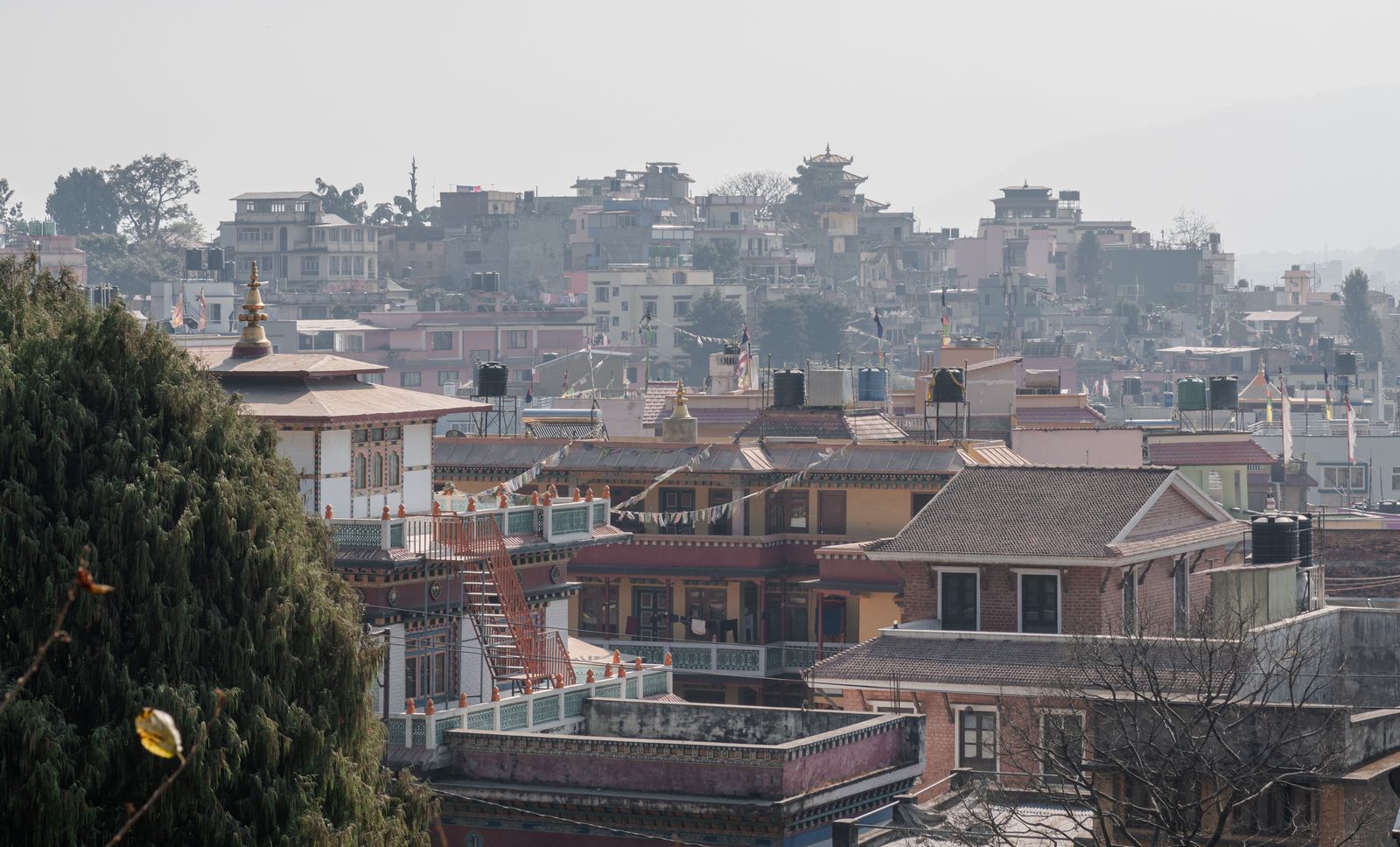
Kathmandu’s about a million-strong folks call this city home, and it's a vibrant hub of culture and commerce. The architectural tapestry here is rich — from the intricately carved wooden pillars in the courtyards of Durbar Square to the towering Boudhanath Stupa that’s simply majestic at sunset. Those rooftops are perfect for anyone, like my old photography-loving self, chasing that golden light.

Start your day by losing yourself in the maze-like streets and discovering the city's heart — its bustling spice markets, hidden courtyards, and ancient temples. Just keep your camera ready and your spirit a bit adventurous. You never know where those winding paths will lead you, but you can bet it’ll be somewhere memorable.

The route

6 stops through Kathmandu

1
Swayambhu Mahachaitya
temple

Swayambhu Mahachaitya

Discover ancient religious art and stunning views of Kathmandu from this iconic stupa.

60 min · rated 4.6
Open in Google Maps

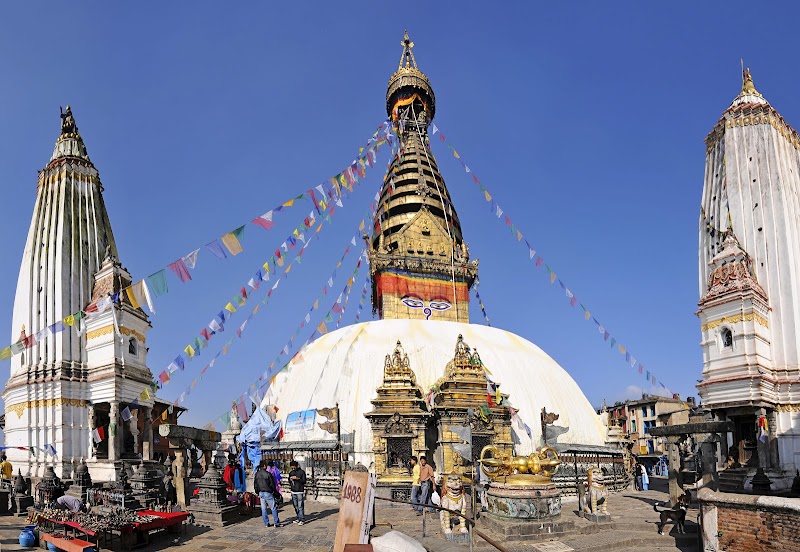
In the heart of the Kathmandu Valley, atop a hill that seems to touch the sky, stands Swayambhu Mahachaitya, or as locals affectionately call it, the Monkey Temple. They say its origins are shrouded in myth, a story as old as the hills themselves. Once a primordial lake, a radiant lotus bloomed here, and the bodhisattva Manjushri drained the waters with a mighty cut to the hill, allowing the valley’s civilization to flourish. Some say the lotus transformed into the stupa itself, glowing with mystical power.

This stupa is a treasure trove of ancient art. You’ll notice the pair of eyes gazing serenely from the golden spire. They're the all-seeing eyes of the Buddha, keeping watch over the valley below. In between them, the squiggly symbol represents the number one in Nepali script, symbolizing the unity of all things. The roughly 365 steps you see leading upward mirror the path to enlightenment, a journey both symbolic and steep (trust me, those steps are no joke).

Every brick and stone carries whispers of history — a mosaic of Vajrayana Buddhist symbolism and craftsmanship dating back to the 5th century AD. This place has witnessed kings rise and fall, every chime of the prayer wheels echoing the eternal cycles of time and belief.

The surrounding stupa's intricate carvings and prayer flags flutter in the cool breeze, adding vibrant color against the timeless stone. Do take a moment to spin a few prayer wheels. It’s said to release bad karma and also doubles as a workout for those biceps if you really go for it.

Every morning at dawn, the local Newari people perform rituals and prayers that breathe life into these ancient stones. It transforms — a living, breathing heart of devotion amid the mundane hustle of the city. When the sun sets and the lights of Kathmandu twinkle, it feels like you’re floating above a sea of stars.

For the best view, climb just a bit higher to the hill’s shoulder—picture-perfect spot for that sweeping panorama shot. The late afternoon sun casts a gentle glow, perfect for photographers chasing the light like I used to. Notice how the air shifts with the light, how the ancient whispers of the stupa seem clearer — it’s magic. Now, we'll head back down together, with gravity as our guide.
Listen
2
Garden of Dreams
nature

Garden of Dreams

Relax amidst the serene atmosphere and neoclassical architecture of this historic garden.

45 min · rated 4.2
Open in Google Maps

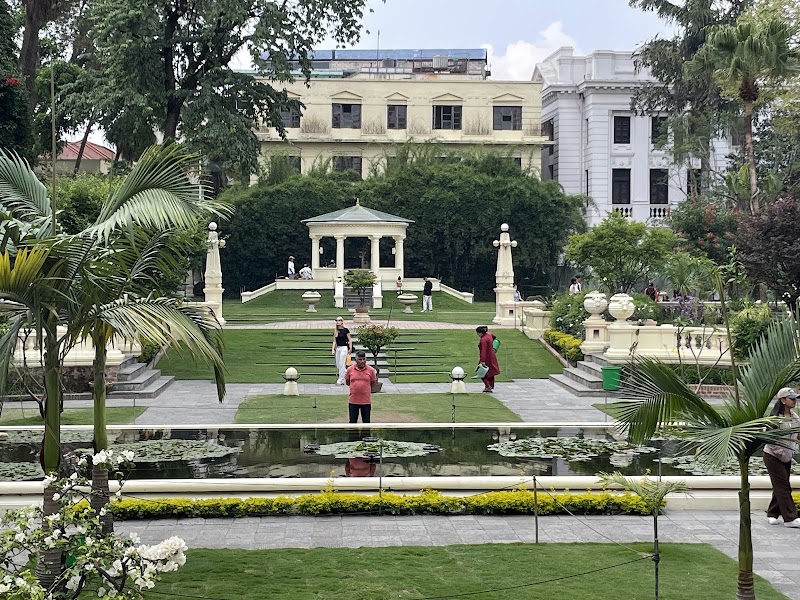
Hidden amidst the bustling chaos of Kathmandu lies the Garden of Dreams, like a secret whispered quietly among friends. Its neoclassical grace starts at the entrance, a promise of tranquility that feels like stepping into a different era. Built in the 1920s by Kaiser Sumsher Rana, a man whose penchant for opulence was as heavy as the bricks used to construct the garden's pavilions. Can't you just picture him, with his thick mustache and extravagant dreams, strolling through here?

Now, the garden is a tapestry of old-world romance and nature, interwoven with six stunning pavilions, each representing one of Nepal’s six seasons. If you’re curious about those extra seasons, welcome to Nepal’s whimsical calendar! Each pavilion serves a slice of Raja Kaiser's imagination on a silver platter. This space was once a private haven for him, a place to escape the demands of the world, and when it was restored in the early 2000s, they kept that oasis-like spirit alive.

Legend has it that the original garden was over twice the size of what we see today, with the elaborate details of these structures bearing witness to its former grandeur. Despite the passage of time, the Garden of Dreams maintains an aura of lush mystery — it's as if the walls are quietly guarding stories of lavish parties and whispered secrets shared over cups of tea.

The architecture blends European styles with local influences — just look at the ornate details on the gates and the exquisite colonnades. The craftsmanship speaks of an age when artisans took their time, leaving behind a legacy in each intricate carving. Pay close attention to the amphitheater; it’s an intimate spot where daily dramas unfold, though nowadays it's more likely a quiet book reading than a grand opera.

Locals find refuge here, a slice of peace far from the honking madness of Kathmandu’s streets. You’ll see students sketching, lovers whispering sweet nothings, and maybe a pigeon or two pondering philosophical dilemmas. It’s a place for lost afternoons and finding yourself amidst manicured lawns and the gentle splash of a fountain.

When you’re ready, take a slow, thoughtful walk to the Kaiser Cafe. Grab a seat with a view of the garden and let the evening light wash over everything. Notice how the fading sun adds a touch of magic, setting the stage for the moonlit tales that surely linger here. Or maybe they’re just waiting for the perfect moment to be retold.

Listen
3
Kathmandu Durbar Square
landmark

Kathmandu Durbar Square

Experience the heart of the city's history with its impressive palaces and temples.

75 min · rated 4.5
Open in Google Maps

You’re standing at the very heart of Kathmandu’s royal narrative. Kathmandu Durbar Square is much like a grand old storyteller, with each temple and palace singing its own tune of history. Imagine this space as a bustling stage set for coronations, festivals, and casual gossip—a place where the city's pulse beats strongest.

The grand palace complex, Hanuman Dhoka, named after the monkey god Hanuman whose statue greets you at the entrance, carries tales of the Malla kings. It’s said these kings liked things lavish and dramatic, much like a peacock flaunting its feathers. This place, in its heyday, was a symphony of chariots, dancers, and chants.

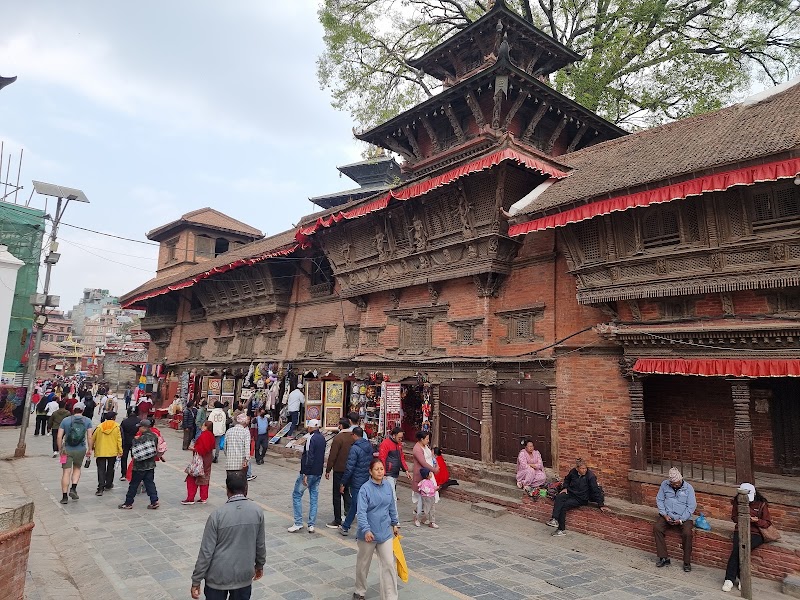
On your left is the Kastamandap, the legendary temple constructed from the wood of a single tree, or so the lore claims. True or not, it lives up to its mythical atmosphere. Though the one you're looking at is a rebuild: the original came down in the 2015 earthquake, and it took until 2022 to raise it again, reusing as much of the salvaged timber as they could. A market traditionally sprang up around it, buzzing with traders who've known these streets since forever.

Look up—way up—at the Taleju Temple with its triple-roofed pagoda style, reserved only for those worthy of its divine threshold. It’s strictly no-entry for the general public, but isn't the best of beauty sometimes just to be gazed at from afar?

Today's locals weave through these spaces with a relaxed familiarity, using the square as a backdrop for everything from political discussions to leisurely lunches. Watch the sunlight in the late afternoon as it splashes across the intricately carved windows and tiers, turning the entire square into gold.

For a photo that'll make your friends think you've slipped into a different era, capture the scene as dusk filters in and the square lights up with oil lamps and the hum of evening prayers. It’s a scene no postcard can truly capture.

Listen
4
Kumari Ghar
other

Kumari Ghar

Witness the residence of the living goddess, a unique tradition in Nepal.

30 min · rated 4.6
Open in Google Maps

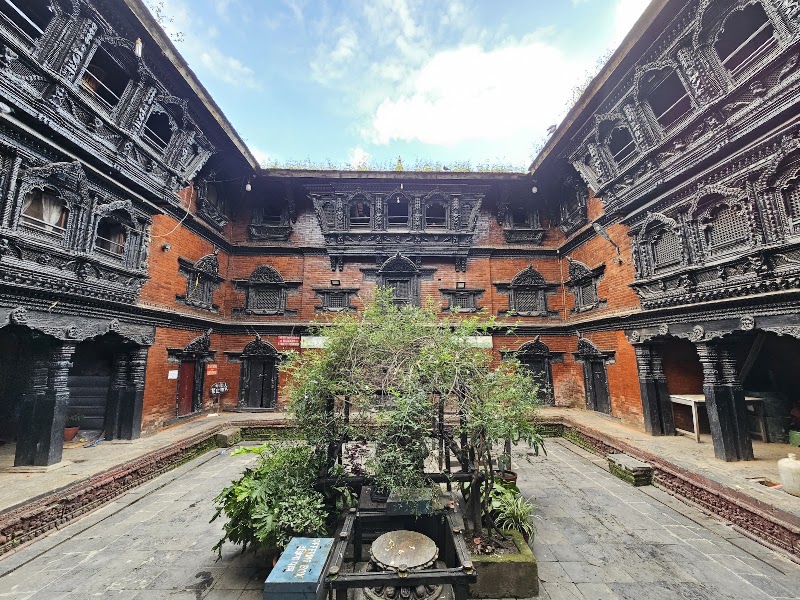
In front of us stands the Kumari Ghar, an ornate brick building that seems to vibrate with an energy all its own. This is no ordinary residence — it’s the home of the living goddess, the Kumari. Like a well-guarded secret, this place holds a tradition that traces its roots back to the 18th century when it was built by King Jaya Prakash Malla. Its facade is a tapestry of wooden carvings, each panel a story waiting to be unlocked, telling tales of gods, demons, and mortals intertwined.

The Kumari, a young girl chosen from the Newar community, embodies the spirit of the goddess Taleju. It's not every day you hear about a living goddess, is it? The selection process itself is as intricate as the carvings on the building — with 32 attributes to fulfill, from the color of her eyes to the sound of her voice. Imagine the responsibility on such tiny shoulders!

In the inner courtyard, where tourists are often not allowed, visits are limited, the goddess blesses devotees with a mere glance from her window. During festivals, she steps out, carried upon a palanquin, her feet never touching the ground. Indra Jatra is a festival not to be missed, with balconies and alleys echoing the sounds of cymbals and chants as she graces the streets.

If you're snapping photos, aim for the afternoon light when the sun bathes the building in a soft, golden hue, highlighting the intricate carvings. It’s like watching history come alive with every shadow and highlight.

Next, wander the narrow alleyways around Durbar Square. They’re teeming with life and local crafts, each corner a surprise. Grab a cup of local tea, find a spot, and just watch the world bustle by.

Listen
5
Patan Museum
museum

Patan Museum

Discover the rich art and history of the Kathmandu Valley at this prominent museum.

45 min · rated 4.6
Open in Google Maps

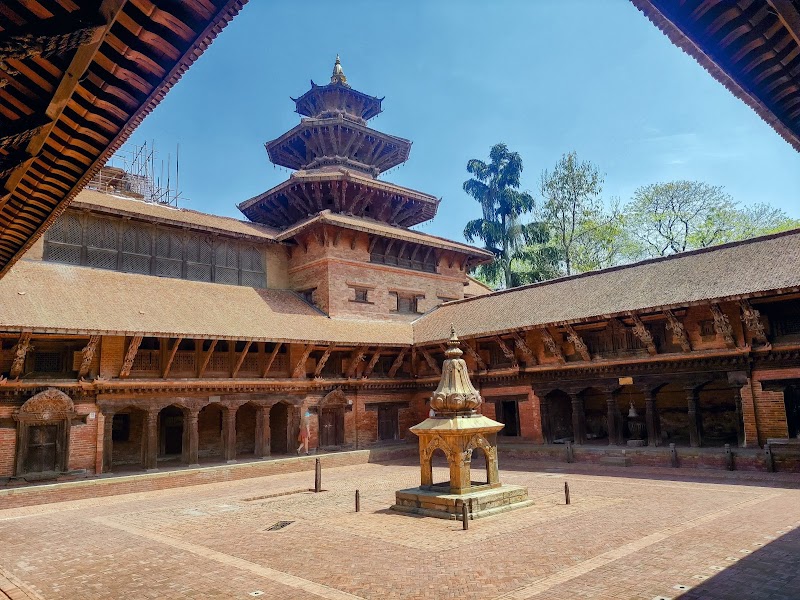
The Patan Museum lies before you, a grand retelling of Nepal's art and history within the former royal palace of the Malla kings. Its brick-red walls hold tales as rich as the copper and gold artworks inside. In 1997, the museum opened after a meticulous restoration that transformed this seventeenth-century marvel into a sanctuary for sacred art.

Behind these gates, the courtyard welcomes you with a quiet elegance. Its serene symmetry is a nod to the traditional Newar architecture, blending with delicate wood and metal carvings that could make a jewelry designer weep with jealousy. And here’s something most visitors miss: the intricately carved doorways, each a masterpiece crafted by geniuses who had the patience of saints and the eyesight of hawks.

The museum not only displays relics but is itself a relic of history. Once a hub for royal gatherings, it sees more artists and historians these days than kings. But imagine the formalities and festivities that played out here, and you might just hear echoes of ancient laughter behind these walls.

Each exhibit tells a story of its own. Spot that fierce-eyed statue gazing across the room — that's Vishnu, one of the oldest sculptures here, dating back to the Licchavi period around 1200 years ago. It’s mind-bending to think how this piece survived all these centuries while we complain if our phones don’t last a year.

Locals often come for the tranquility, away from the city's hustle. It’s the perfect place to sit and just exist amid the whispers of history. If you're seeking that unforgettable snapshot, climb to the second floor just as the sun begins to dip. The golden light spilling over the courtyard at dusk will make any photo worthy of a gallery wall.

After you've taken it all in, consider a stroll down to the nearby Patan Durbar Square. There are corners there that seem untouched by time, where you can sip Nepali tea and watch the world go by with a new appreciation for everything you’ve seen today.

Listen
6
Patan Darbar Square
landmark

Patan Darbar Square

Explore exquisite Newar architecture and the golden details of Patan's royal palace.

60 min · rated 4.6
Open in Google Maps

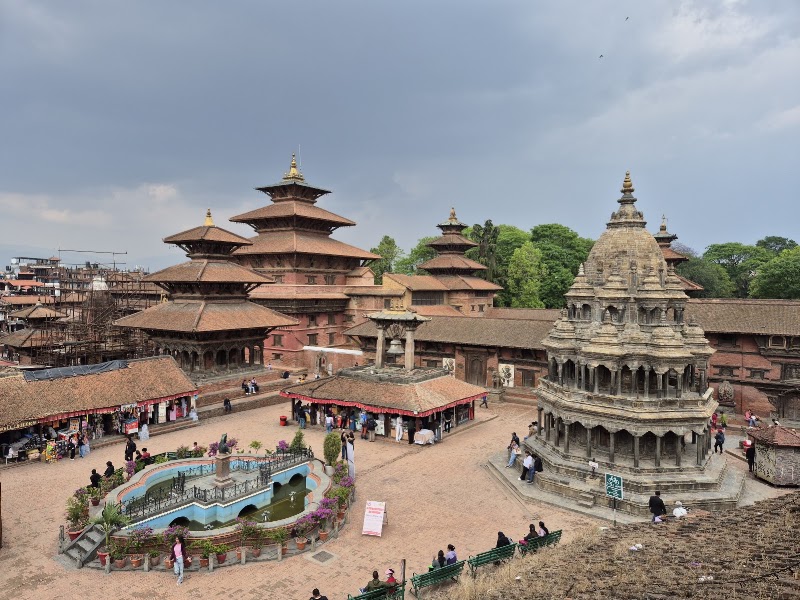
The scent of incense wafts through the air as we stand before Patan Darbar Square, a lively tapestry of Newar architecture. Each pagoda and temple tells a tale stitched with intricate woodwork and gilded accents, where the royals of the Malla dynasty once walked. Imagine this bustling square in the 17th century, when King Siddhi Narsingh Malla commissioned much of its resplendence. Yet, amid the grandeur, it’s the fine details — the golden finials shimmering in sunlight — that speak of a past both regal and richly handcrafted.

The palace itself, a marvel of red bricks and delicate carvings, looks like a grand cake someone couldn't resist embellishing. Look closely at the facade, and you'll notice the remarkable "Golden Gate," with its glimmering guardian deities standing watch. Local legend has it that at midnight, these guardians come alive to continue their eternal vigil, though I must admit, it’s a tale often spun over a bit too much raksi.

This square is alive, my friend, not just a relic but a stage where festivals unfold. During the Rato Machhindranath Festival, chariots wheel through, with locals offering prayers and flowers — a vibrant tradition passed down for generations, always adding new threads to the historical fabric.

People, past and present, leave their mark here. Kathmandu’s artisans still work nearby, the echo of their chisels creating a subtle symphony of tradition and craft. It’s fascinating to think that these hands sculpt both the past we celebrate and the future still to come.

For photographers — and I used to know the best angles even before my first coffee — there’s magic in the shifting light around 4 p.m. Find a high perch on one of the square’s temples, and you’ll get the perfect shot of sunlight dancing across the rooftops.

While you're here, step into the Patan Museum. It’s unexpectedly modern inside, offering glimpses into the artistry and lives that built this monument. Notice the subtle interplay of ancient stone and contemporary curation.

When you wander off, follow the scent of spiced tea into one of the small side streets. The cups here hold stories as rich as the architecture you've just explored.

Listen
Walking map of the route
Powered by Geoapify · © OpenMapTiles · © OpenStreetMap contributors
Behind the day

How it was made

Built around

Interests
HistoryArt & museumsNatureHidden gemsArchitectureLocal life

Shape of the day

Length
6 hours planned
Time of day
Morning start
Pace
Packed

Asked for

Food stop
Coffee
Narrated in
English
Planned and narrated by Pocket Tour Guide from these answers.
Before you go

Kathmandu essentials

Connectivity & transport

Transport app
Ride-hailing

Food & money

Food delivery
Money
Nepalese Rupee (NPR); mostly cash, cards accepted in larger establishments.
Tipping
Tipping is appreciated but not mandatory; 5-10% for good service is common.

Emergency & safety

Emergency
General 100
Police 100
Ambulance 102
Hospitals
Norvic International Hospital, Kathmandu · +977 1-4258554
Grande International Hospital, Kathmandu · +977 1-5159266

Good to know

Power
Type C, D, and M plugs; 230V voltage.
Tap water
Tap water is not safe to drink.
Phrases
Namaste (Hello), Dhanyavaad (Thank you), Mafi pau (Sorry).
Etiquette
Dress modestly, especially at religious sites. Remove shoes before entering temples.

Watch out for

Pickpockets in Thamel

Pickpocketing is common on crowded streets like Thamel, especially at night.

Secure your belongings and be vigilant.
Drink spiking in bars

Drinks may be spiked in bars, especially in Thamel.

Don't accept drinks from strangers and keep your drink in sight.
Bag-snatching in Sanepa

Bag-snatching occurs in busier areas like Sanepa, particularly during the evening.

Carry bags close to your body and avoid displaying valuables.
Trekking scams

Some guides may rush trekkers to high altitudes for a cut from expensive rescues in popular trekking routes.

Use reputable agencies and verify permits.
Methanol poisoning risk

Illegally brewed alcohol may contain methanol; unlicensed establishments, especially in tourist areas, are a risk.

Consume alcohol from reputable places only.

Informed by UK FCDO travel advice (OGL v3).

Keep wandering

Other days, made public

Reykjavik
Reykjavik · Iceland

Sagas, Sculpture & Skyline Views

8 stops · by Mario
Tromsø
Tromsø · Norway

Arctic Stories & Wooden Tromsø

6 stops · by Mario
Chișinău
Chișinău · Moldova

Chișinău’s Civic Heart & Quiet Curiosities

7 stops · by Mario
Lefkada
Lefkada · Greece

Lagoon Light & Wooden-Laned Lefkada

7 stops · by Mario

Put a storyteller in your pocket.

Your next free afternoon deserves better than a top-10 list.

Made with ♥ and Pineapples by zuapp.me