Pocket Tour Guide
Lefkada
Lefkada · Greece

Lagoon Light & Wooden-Laned Lefkada

6hDuration
7Stops
5.8 kmDistance
The city

Lefkada

Listen

You know what's funny about Lefkada? It's technically an island, but it's got a little umbilical cord — a causeway and a floating bridge — tying it to the mainland, so half the time people forget it's not attached. The locals find this hilarious. You'll drive over water without even noticing, and somewhere behind you a Kefalonian is muttering that Lefkada is basically cheating at being an island.

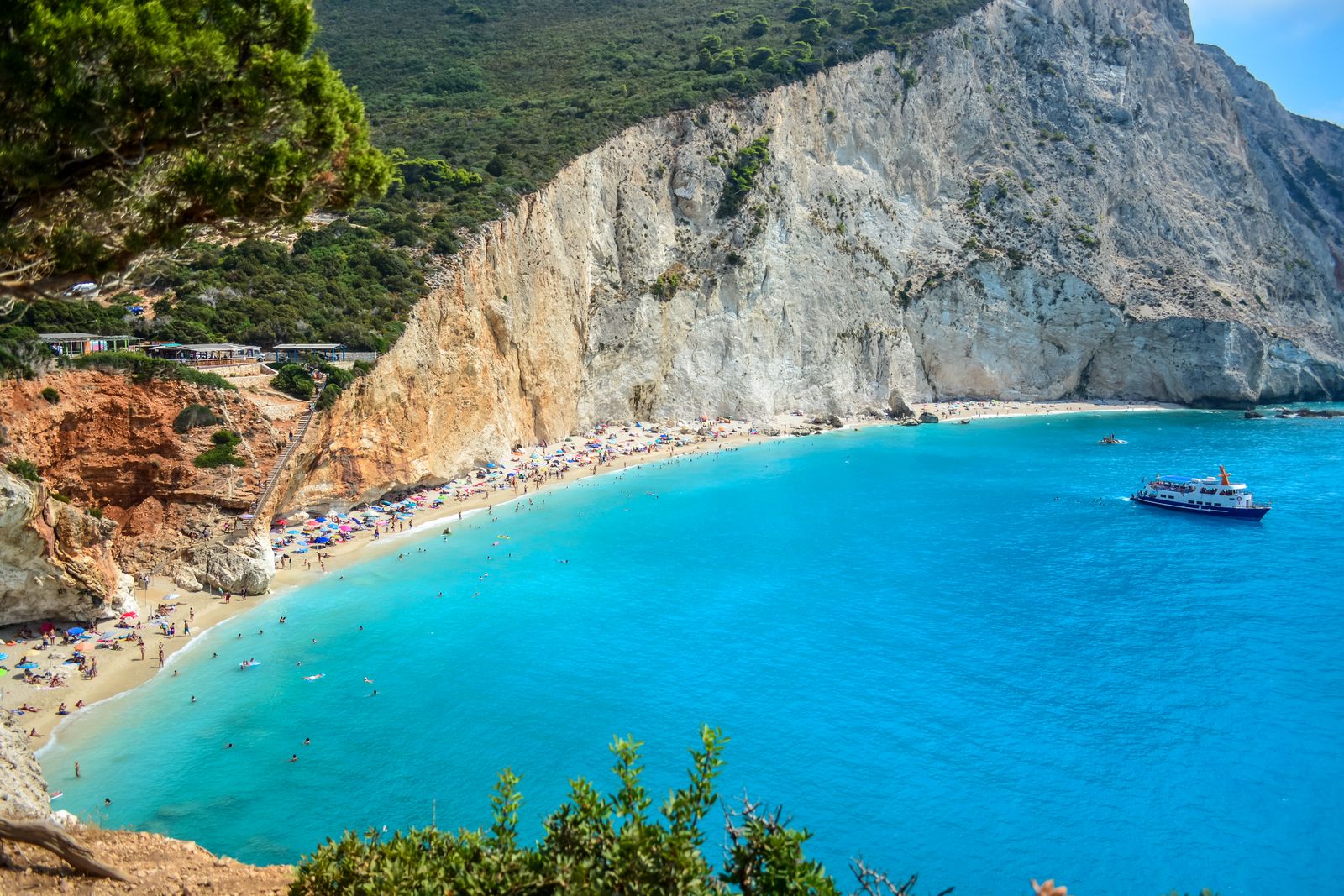
The layout's simple enough that you can't really get lost, which is refreshing after some of the medieval spaghetti-bowl towns I drag people through. Lefkada Town sits up in the northeast, low to the ground on purpose — there's been a fair share of earthquakes here over the centuries, so the old houses got smart and put on a second story made of colored sheet metal and wood instead of stone. It looks almost Caribbean, actually, this cheerful pastel patchwork, and it's not for style points, it's survival architecture that happens to look adorable. Then the island unrolls south and west into these green mountains dropping straight into water so blue it looks Photoshopped, with beaches like Egremni and Porto Katsiki that you'll recognize from a thousand phone wallpapers, minus the four hundred steps you have to walk down to actually get there. Nobody puts that part in the photo.

As for who got here first — nobody's entirely sure, and I love that. There's a theory this was once physically joined to the mainland until the Corinthians cut a canal through around the 7th century BC, which would make Lefkada one of the few places on earth with a documented, on-purpose birth as an island. Before that, we're in the fog of early Greek tribes, maybe some Leleges and Corinthian settlers claiming the place, myth blurring into history the way it does everywhere in Greece. And speaking of myth — this is allegedly where the poet Sappho took her final leap, off the white cliffs at the island's southern tip, throwing herself into the sea over unrequited love. Historians shrug at this one, but the cliffs are still called Sappho's Leap, and honestly, standing up there at sunset, you understand the poetic impulse even if you don't understand the life choice.

Today you've got maybe twenty-three thousand people spread across the island, swelling considerably every August when everyone's cousins come home, and the rhythm shifts entirely to festival mode — church name days, seaside paniyiria with grilled octopus and terrible-wonderful amplified bouzouki, the whole village out till 3am. Mornings are for the harbor cafés watching fishing boats come in, afternoons are for hiding from the sun like a sensible Mediterranean person, and evenings are for the volta, that slow proud stroll up and down the main street where you say hello to everyone twice. Wander into the backstreets of the Town before it gets hot — that's where you'll find the real texture, before the tour buses even think about waking up.

The route

7 stops through Lefkada

1
Faneromeni Monastery
temple

Faneromeni Monastery

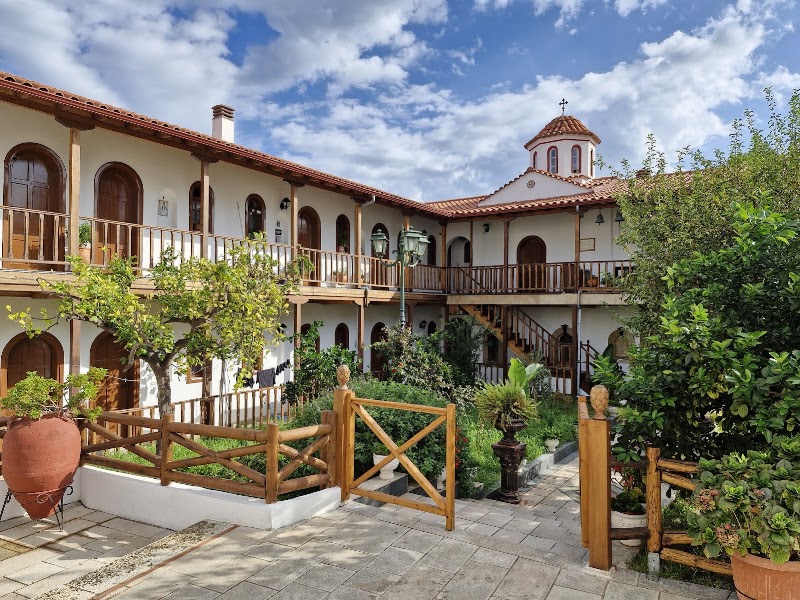
Lefkada’s spiritual landmark combines a serene hilltop setting, monastic architecture and expansive views over the island and lagoon.

50 min · rated 4.8
Open in Google Maps

Feel that? That little pull in your legs from the climb up here — that's the same one my brothers and I used to race each other with, except your finish line has a much better view than any hill in Naples ever gave me.

Look at where they put this place. Not tucked into the town, not hiding in a quiet corner — up here, hilltop, with the lagoon spread out below like someone unrolled a bolt of blue-green silk just for you. Whoever chose this spot for a monastery wasn't interested in modesty. They wanted the monks talking to God with a view that would make angels a little jealous.

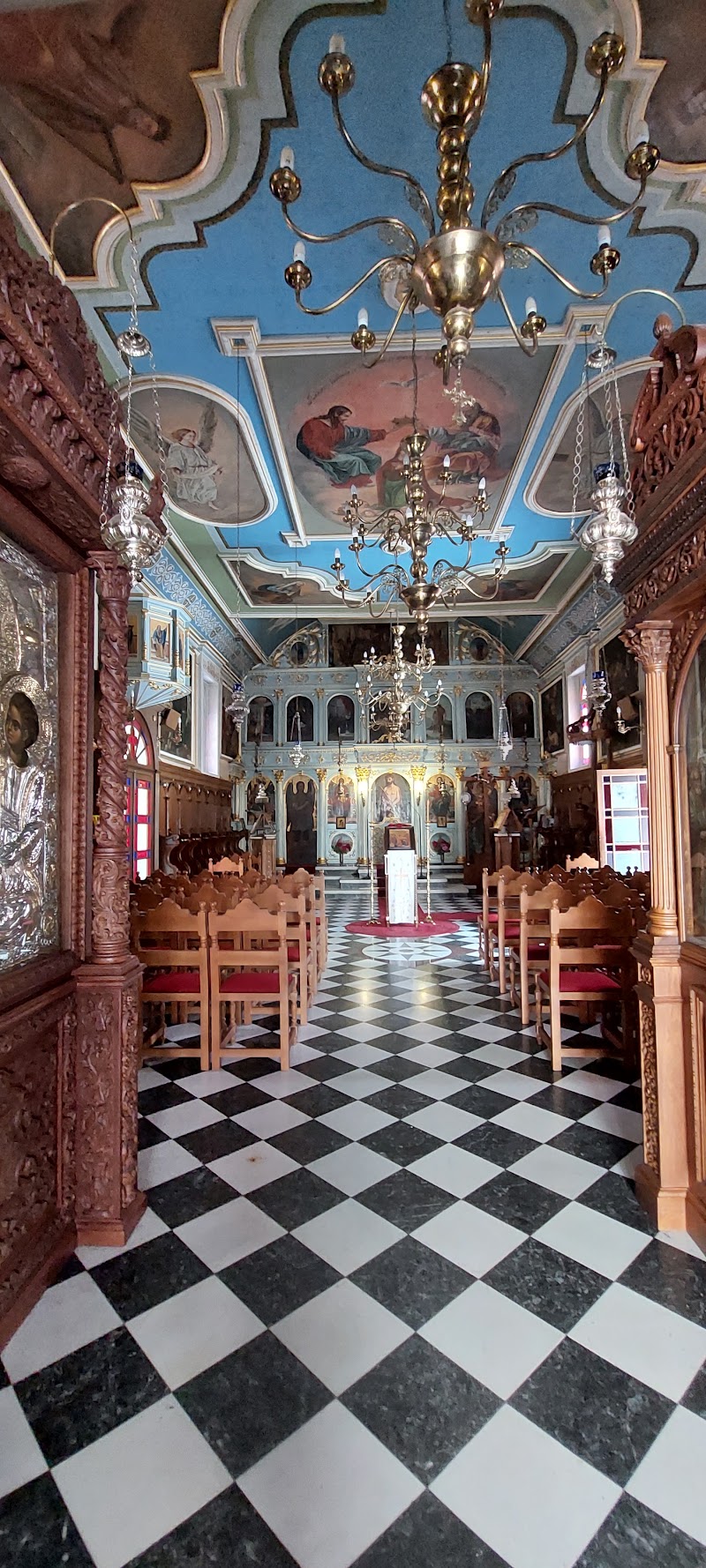
Step inside when you're ready — the interior's the kind of ornate that makes you stop mid-sentence. Gold catching whatever light slips in, icons layered on icons, the whole quiet weight of monastic devotion pressed into a small space. It's a working place of worship still, mind you, not a museum piece, so hats off, voices down, phones in pockets — the usual respectful shuffle.

Now here's the detail that always gets a laugh out of people: there's a small zoo here too. Yes — you climb a mountain for spiritual serenity and expansive lagoon views, and somewhere along the way you also meet some very unbothered animals who couldn't care less about your enlightenment. Lefkada keeps surprising you like that.

Locals come up here for feast days and for the quiet in between — it's not performing for tour buses, it's a place people still actually pray. If you want the best of it, catch it in that window before the midday close, around eight to two, before it shuts and reopens in the late afternoon.

Frame your photo with the monastery's arches or bell in the foreground and let the lagoon do the rest of the work behind it — it doesn't need help. Then when you've had your fill of gold leaf and goats, we'll head onward — it's about a fifteen-minute taxi or bus ride down to the Archaeological Museum of Lefkada, trading heaven for history.
Listen
2
Archaeological Museum of Lefkada
museum

Archaeological Museum of Lefkada

Ancient tools, burial finds and pottery reveal Lefkada’s life from prehistory through the Roman era.

55 min · rated 4.4
Open in Google Maps

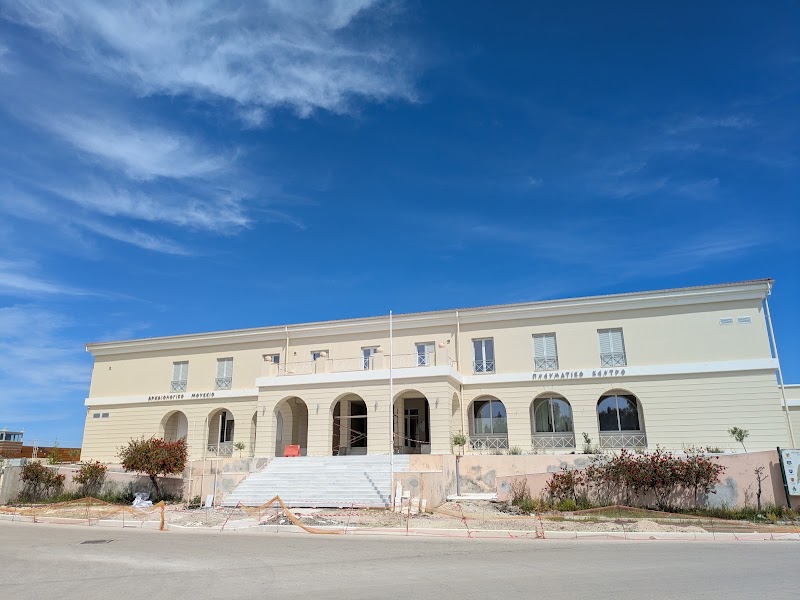
You know what I love about this building? From outside it gives you absolutely nothing. No columns, no drama, no guy on a horse. Just a quiet façade that could be a school or a town office. And that's exactly why I like walking people in here — it's the plain wrapping paper on a box full of four thousand years.

Inside, you're not looking at some emperor's treasure hoard. You're looking at spearheads, cooking pots, the bits and pieces someone dropped or buried on this island back when Lefkada wasn't even sure yet what it wanted to be — Bronze Age villages, tombs from long before anyone here had heard of Rome, everyday clay that outlived the hands that shaped it by a few thousand years, which, I think, is the rudest thing pottery does to us mortals. You walk case to case and you're basically flipping through the island's baby photos, awkward teenage years, all the way to its Roman phase.

What gets me every time is the burial finds. Tools are one thing — a hammer is a hammer, sure, fine. But when you see what people packed into a grave, you're reading their actual worries about the afterlife, written in bronze and clay instead of words. No signature, no legend attached that I can honestly hand you — just objects doing the talking, which if you ask me is more honest than most museum plaques anyway.

Give yourself a proper twenty minutes here, it's small enough not to exhaust you and dense enough to reward slowing down — and note they're closed Tuesdays, so don't get any funny ideas about coming back tomorrow. When you're done, we've got about six easy minutes on foot to Church of Panagia ton Xenon, and after all this prehistory, a proper church is going to feel almost modern.

Listen
3
Church of Panagia ton Xenon
temple

Church of Panagia ton Xenon

An intimate historic church whose quiet interior and traditional form reveal Lefkada’s deeply rooted religious architecture.

18 min · rated 4.5
Open in Google Maps

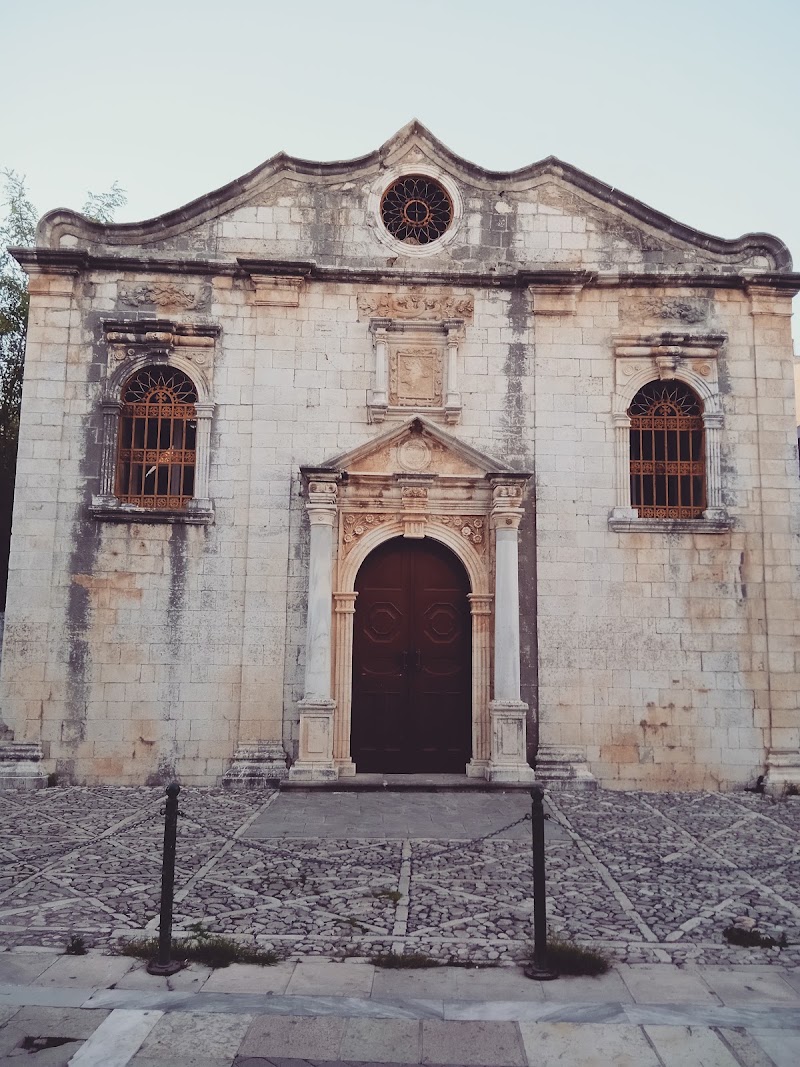
See how the walls don't shout at you? That's the first thing I love about these little Lefkadian churches — no grand piazza, no marble giants pointing at heaven, just a door that could belong to someone's house if it weren't for the cross on top. Panagia ton Xenon sits here quiet as a held breath, and that's exactly the point.

"Ton Xenon" — of the strangers, of the foreigners. I can't give you the who-built-it-and-when with a straight face because honestly, nobody handed me a plaque with dates on it, and I'd rather tell you "I don't know" than make up some architect who never existed. What I can tell you is what your eyes are already seeing: that low, simple form, that island rhythm of whitewash and warm stone, the same bones you'll find in chapels tucked all over Lefkada. This is not a copy of Venice or a copy of Constantinople — this is the island's own quiet grammar for talking to God, one small church at a time.

Step inside if the door's open — go on, I'll wait, it's rude to rush a church. Notice how the light does all the decorating. No need for spotlights when you've got a single window doing the work of a chandelier.

Two minutes from here — practically a stone's skip, if you had bad aim like my brother — waits the Charamogleios library and phonograph museum, which is the sound of Lefkada after this was the silence of it. Good pairing, no? Let's go make some noise.

4
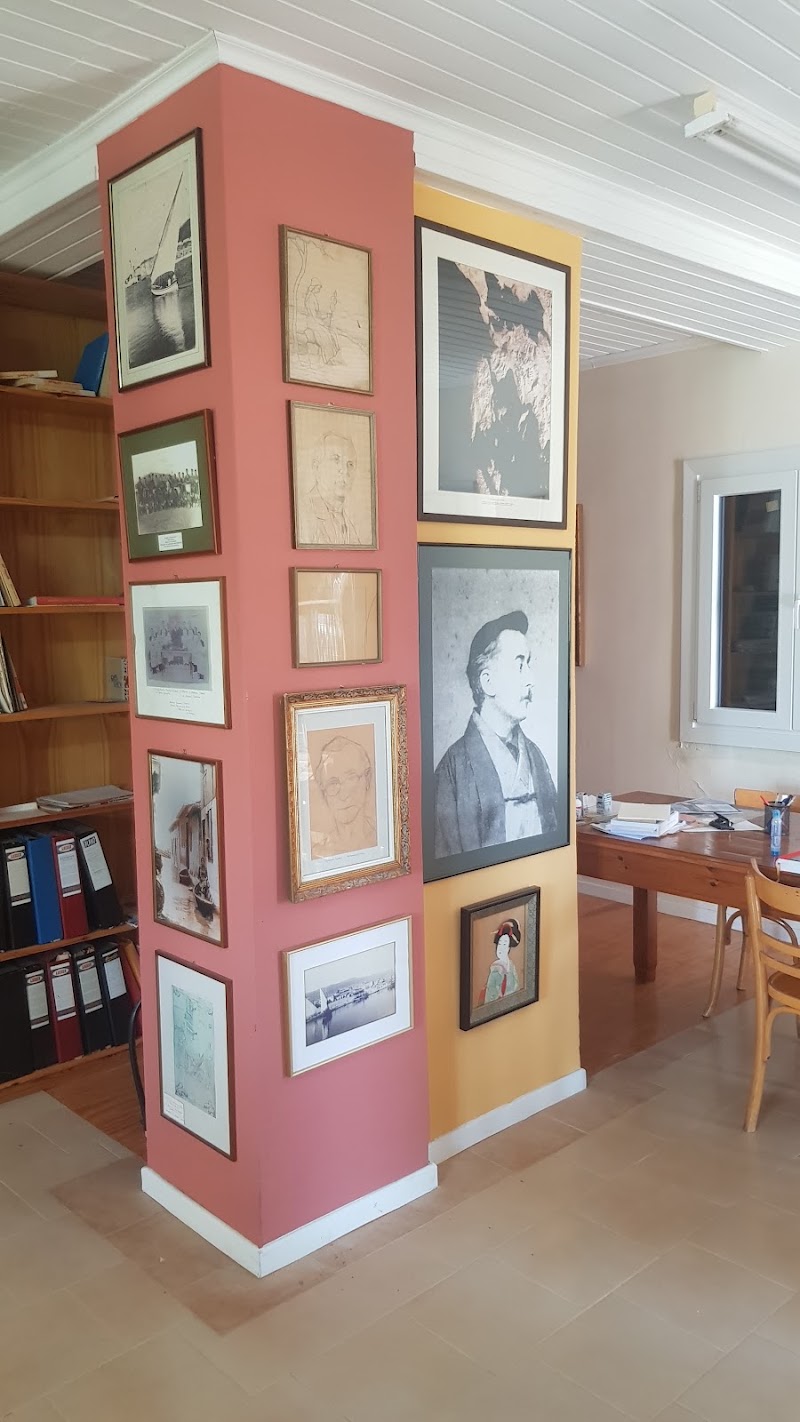
Charamogleios Special Lefkadian Library & Phonograph, Radio and Traditional Museum
museum

Charamogleios Special Lefkadian Library & Phonograph, Radio and Traditional Museum

A handsome cultural institution preserving rare Lefkadian books, archives and local intellectual history.

60 min · rated 4.8
Open in Google Maps

You know what I love about this building? It doesn't shout. Half of Lefkada's charm is that its treasures hide behind plain doors, and this one holds an entire island's memory — books, old recordings, radios that once crackled news into farmhouse kitchens — behind a facade you could walk past chasing a coffee and never notice.

This is a library, yes, but call it that and you undersell it, like calling Naples "a city with some pizza." Inside is Lefkada's own paper trail — rare local books, archives, the accumulated scribbles and thoughts of islanders who wrote things down instead of letting them evaporate. Add to that a museum of phonographs and radios, actual machines that once turned electricity into music and gossip, and you've got a place that preserves sound and memory shoulder to shoulder. Not many places do both under one roof.

I'll be honest with you, the opening hours are stubbornly modest — mornings only, and only certain days — which tells you this isn't run for tour buses. It's run for Lefkadians who still care about their own footnotes, which, if you ask me, is the most romantic reason a library can exist.

If the door happens to be open, step in and just look at the spines — that's the island's autobiography sitting quietly on shelves. If it's closed, no tragedy: snap a photo of the entrance, note the hours for another morning, and let's wander four minutes onward to the Central Square, where the island stops whispering and starts talking.

5
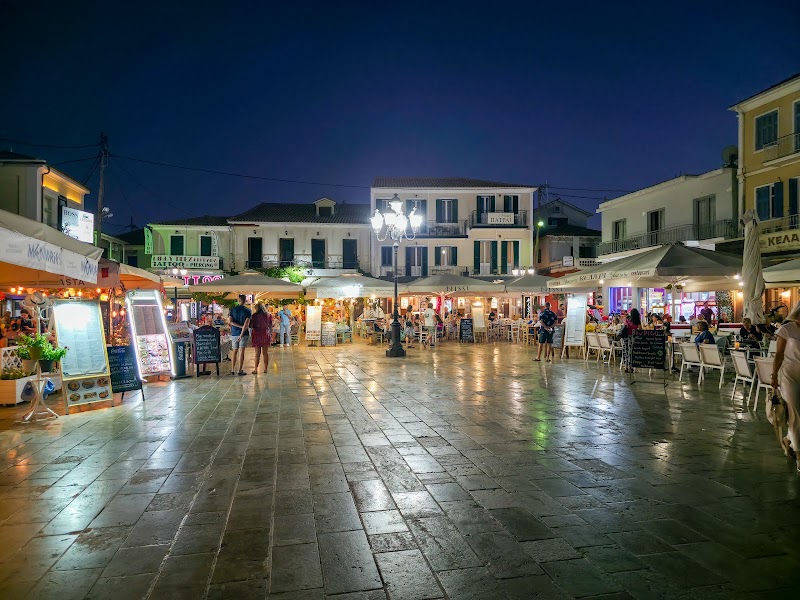
Central Square of Lefkada
neighborhood

Central Square of Lefkada

Narrow lanes of colourful corrugated-metal-clad houses make this resilient old quarter one of Greece’s most unusual urban landscapes.

45 min · rated 4.6
Open in Google Maps

Look up before you look around — go on, do it now. See how none of these buildings dare to compete with the sky in stone or heavy tile? That's not poverty of imagination, my friend, that's survival wisdom written in corrugated metal and timber frames. Lefkada sits right on top of some of the most stubborn earthquake territory in Greece, and after enough buildings fell down and got rebuilt, someone smart said "basta, no more heavy roofs," and the whole town started dressing in sheet metal like it's wearing armor instead of a Sunday suit.

I love bringing people here because from a distance a tourist brochure might make this look humble, maybe even a little rough — but stand in the square and really see it, and it's one of the strangest, most charming urban puzzles in the whole country. Pastel walls, tin siding, wooden shutters, all of it low and light and swaying-with-the-punches instead of fighting back. It shouldn't be beautiful. And yet, here we are, and it is.

This plaza is the town's living room — no ticket, no queue, open right through the night, which means whenever you wander back through here, day or evening, there's a good chance some grandmother is mid-gossip on a bench and some kid is using the open space as a personal football stadium. That's the real rhythm of Lefkada, not a show for us, just life happening at full volume in the open air.

Take your photo now with the square’s low colorful rooftops as your foreground and that wide open sky behind — the contrast is the whole story of this town in one frame. Then let's walk one minute over to the Holy Church of Saint Spyridon, because after all this humble tin, you're about to see what the town saved its grandeur for.

6
Holy Church of Saint Spyridon
temple

Holy Church of Saint Spyridon

Its elegant bell tower and richly decorated interior offer a close look at the island’s distinctive post-earthquake church architecture.

20 min · rated 4.2
Open in Google Maps

Look up before you look in — that bell tower isn't attached to the church at all, it's standing there on its own like it wandered off during a coffee break. That's not an accident, my friend, that's Lefkada being smart. This island shakes. Earthquakes have been rearranging the furniture here for centuries, so somebody clever figured out that if the bell tower falls, better it falls alone than takes the whole church down with it. You'll see this trick all over Lefkada — separate belfries, wooden frames, lightweight construction. It's not poverty, it's wisdom dressed up as simplicity.

Now step inside, because the outside is playing modest and the inside is where Saint Spyridon shows off a little. Rich decoration, warm light catching gold on the iconostasis — the kind of interior that makes you go quiet for a second even if you walked in complaining about your feet. Take a slow lap. Notice the woodwork, the icons, the way everything feels close and human-sized rather than cathedral-huge. This is a working island church, not a museum piece — people still light candles here, still stop in on the way to the market.

I'll be honest with you, this isn't the postcard stop of Lefkada, and that's exactly why I like bringing people here. No crowds arguing over camera angles. Just you, the quiet, and a genuinely clever piece of earthquake engineering wearing the disguise of a pretty bell tower.

When you've had your moment of peace, let's grab a taxi — about eleven minutes and we're up at Agia Mavra Fortress, trading candlelight for stone walls and a proper view over the water.

7
Agia Mavra Fortress
landmark

Agia Mavra Fortress

This formidable 14th-century sea fortress layers Frankish, Venetian and Ottoman history behind its broad moat and stone ramparts.

60 min · rated 4.4
Open in Google Maps

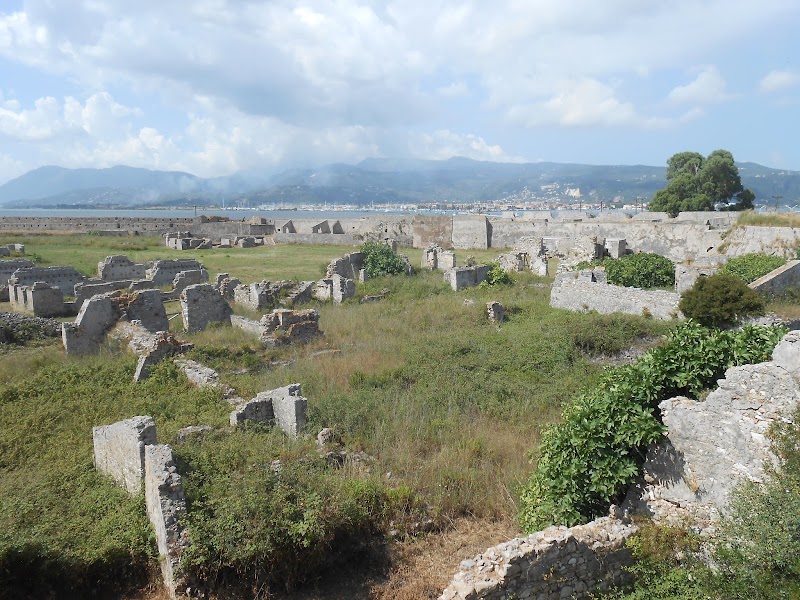
Look at that moat — wide enough that you'd need a proper running start, and even then I wouldn't bet on you. That's the thing about Agia Mavra: it doesn't sit on a hill looking dramatic like most castles that just want their picture taken. It squats right here on the water, low and stubborn, because whoever built it wasn't interested in views — they were interested in not being murdered by whoever sailed in next.

And plenty sailed in. This place picked up stamps in its passport like nobody's business — Frankish hands first, then the Venetians moved in and did what Venetians always did, which is reinforce everything twice and put their winged lion somewhere you'd have to look for. Later the Ottomans took a turn holding the keys. Three different empires, one pile of stone, all of them agreeing on exactly one thing: this spit of land guarding the strait into Lefkada town was worth fighting over. That's not romance, my friend, that's real estate.

Walk the ramparts a little and notice how thick they are — not decorative-thick, siege-thick. Fortresses like this weren't built for elegance, they were built by people who did the maths on cannonballs. You won't find gargoyles or fancy carving here; you'll find function, layer after layer of it, which is its own kind of beauty once you know how to read it.

We've walked the whole day together, from bell towers to bones to now a fortress that's been arguing with the sea for seven hundred years — not a bad way to close things out. Stand at the edge of the moat, camera pointed back toward the walls with the water in front, and you'll have the shot that says it all: stone that refused to fall down, guarding a channel that never stopped being worth guarding. Grazie for the company today — go find yourself a very large plate of something fried, you've earned it.

Route map
Powered by Geoapify · © OpenMapTiles · © OpenStreetMap contributors
Behind the day

How it was made

Built around

Interests
HistoryArt & museumsNatureHidden gemsArchitecture

Shape of the day

Length
7 hours planned
Time of day
Morning start
Pace
Balanced

Asked for

Access
Transport is fine (taxi, bus, bike)
Narrated in
English
Planned and narrated by Pocket Tour Guide from these answers.
Before you go

Lefkada essentials

Connectivity & transport

Transport app
Ride-hailing

Food & money

Food delivery
Money
Euro, cash preferred but cards are widely accepted.
Tipping
Tipping is appreciated but not compulsory; rounding up or leaving small change is common.

Emergency & safety

Emergency
General 112
Police 100
Ambulance 166
Hospitals
Lefkada General Hospital · +30 2645 360000

Good to know

Power
Type C and F, 230V
Tap water
Tap water is generally safe to drink.
Phrases
"Kalimera" (Good morning), "Efharisto" (Thank you), "Parakalo" (Please/You're welcome)
Etiquette
Dress modestly when visiting churches or monasteries and be mindful of local customs.

Watch out for

Fake tour guides

Near popular beaches, unlicensed individuals may offer fake tours or services.

Book tours and activities through reputable agencies.
Restaurant overcharging

Bills may include extra items or unjustified charges, especially near busy areas like Nidri.

Always ask for an itemized bill and clarify anything unclear before ordering.
Scooter rental scams

Some places withhold passports as collateral or charge for pre-existing damage.

Use well-reviewed rental companies and document the scooter's condition.

Informed by UK FCDO travel advice (OGL v3).

Keep wandering

Other days, made public

Reykjavik
Reykjavik · Iceland

Sagas, Sculpture & Skyline Views

8 stops · by Mario
Tromsø
Tromsø · Norway

Arctic Stories & Wooden Tromsø

6 stops · by Mario
Chișinău
Chișinău · Moldova

Chișinău’s Civic Heart & Quiet Curiosities

7 stops · by Mario
Nafplio
Nafplio · Greece

Old Town Nafplio: History, Stone Lanes & Sea Views

10 stops · by Pocket

Put a storyteller in your pocket.

Your next free afternoon deserves better than a top-10 list.

Made with ♥ and Pineapples by zuapp.me