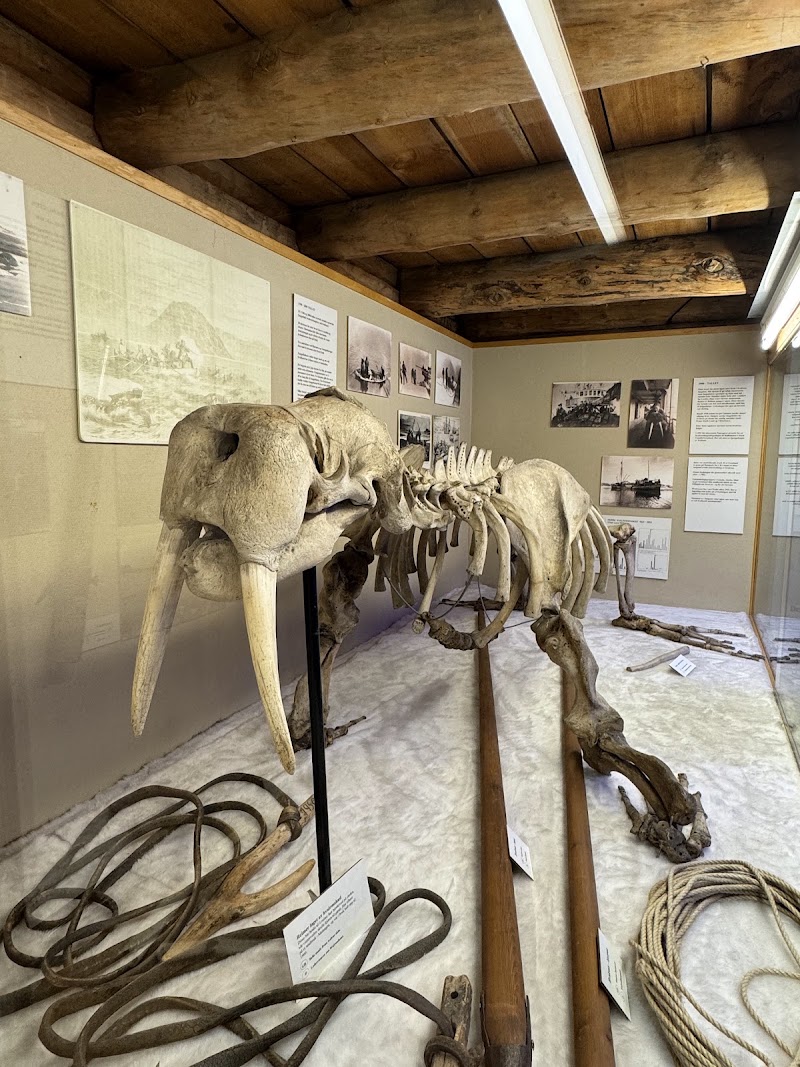
Eighteen seventy-two — that's the number to hold onto, because that makes this place older than half the countries drawing borders in Europe right now. A little museum up here in Tromsø, this far north, quietly cataloguing rocks and bones and old Sámi tools while empires down south were still arguing about maps. I love that. It's very "we don't need permission to be serious about this."
Now, I'll be honest with you — I'm a hills-and-harbors man myself, my legs know staircases better than they know display cases. But even I slow down in a place like this, because a science museum this far into the Arctic isn't decoration, it's survival turned into curiosity. Someone up here in the 1800s looked at the northern lights, the frozen ground, the reindeer herders' tools, and thought: we should write this down properly. That instinct built the collection you're about to walk into — natural history and Norwegian culture sitting side by side, because up here they were never really separate.
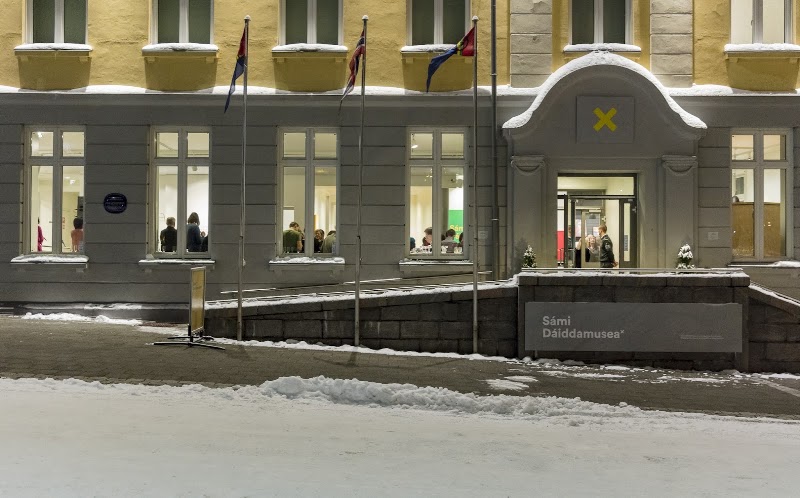
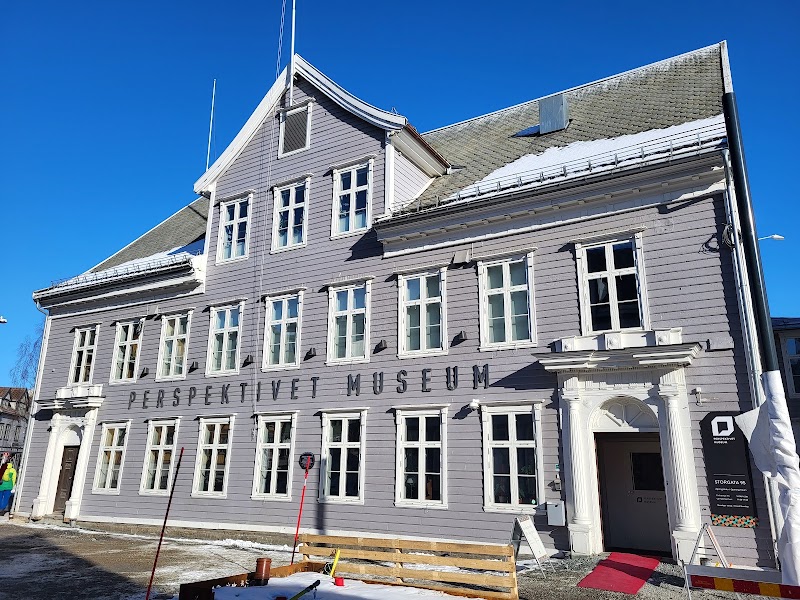
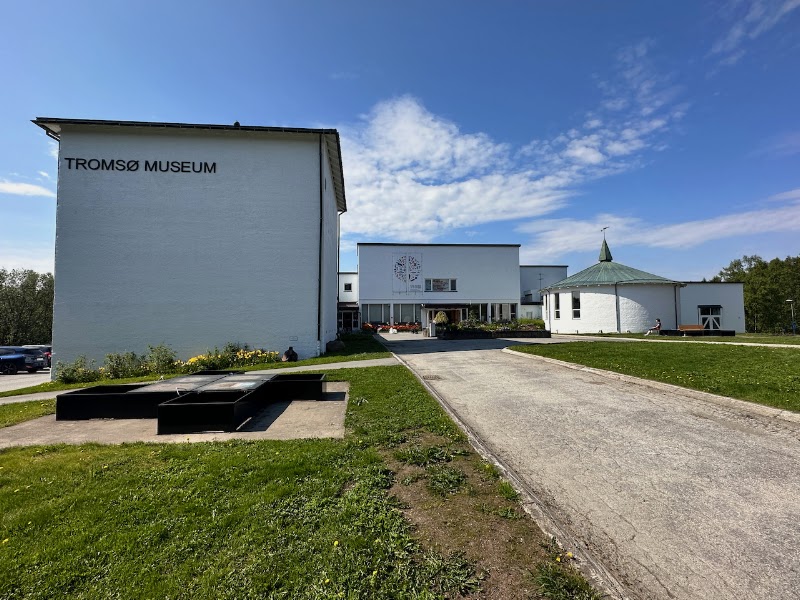
Look at the building itself for a second before you go in — practical, unshowy, built for a climate that doesn't care about your architectural opinions. That's very Tromsø. The good stuff isn't the facade, it's what's been gathered inside over a century and a half.
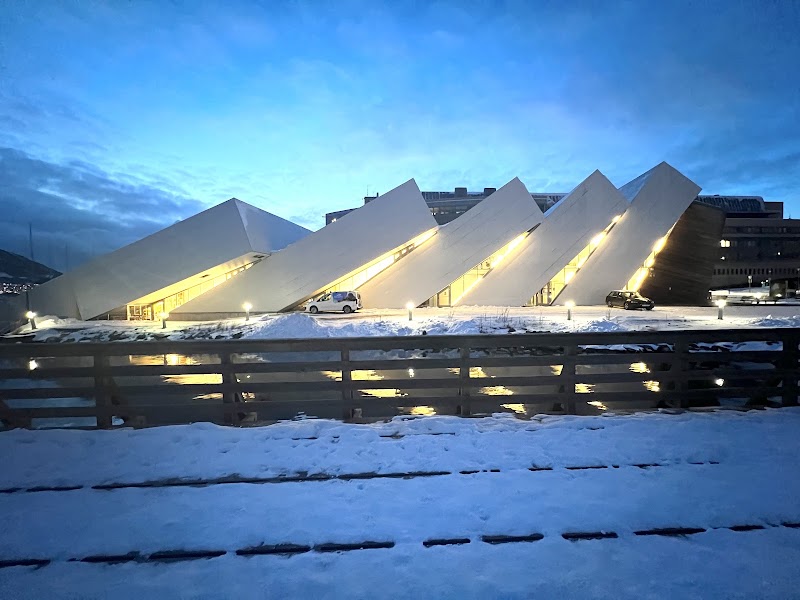
Go in, take your time — Monday and Tuesday they'll have you until half four in the afternoon, so no need to sprint. When you're done, it's about thirty-three minutes on foot to Polaria, and trust me, after a museum built on curiosity, walking into one shaped like it's been pushed over by an iceberg is a very good next scene.