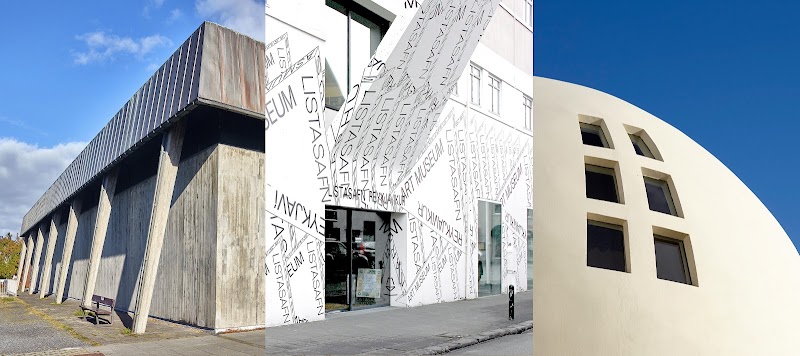
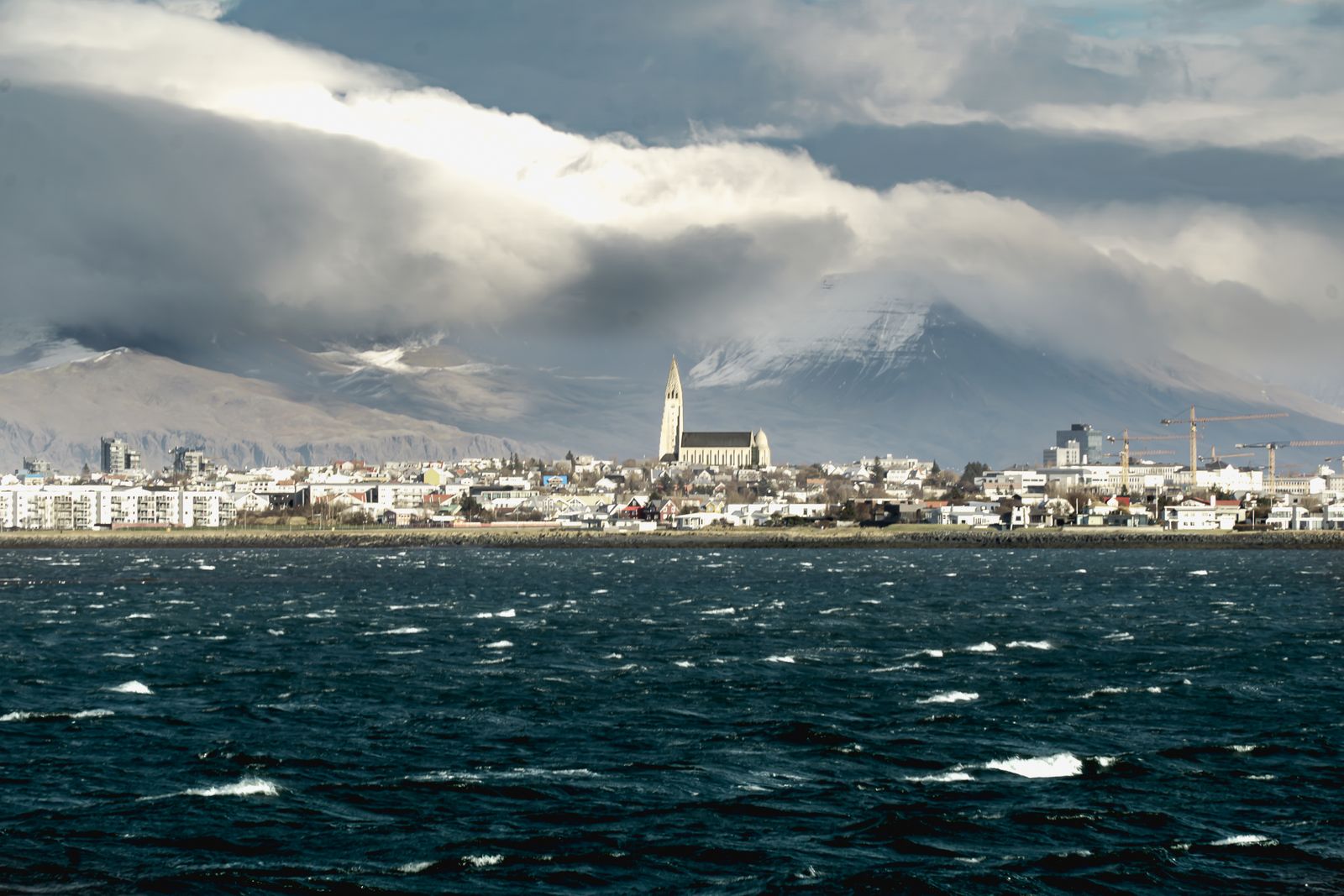
You know what I love about this building? It doesn't try to impress you from the outside. No columns, no dome, nothing shouting "HISTORY HAPPENS HERE." Just a solid, sensible box on Suðurgata, which is very on-brand for a country where the national sport used to be surviving winter. Icelanders don't waste drama on the wrapping paper — they save it for what's inside.
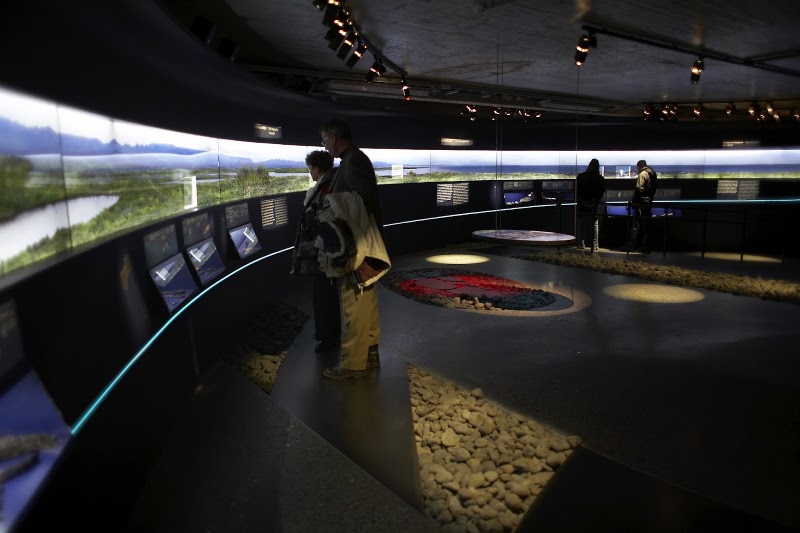
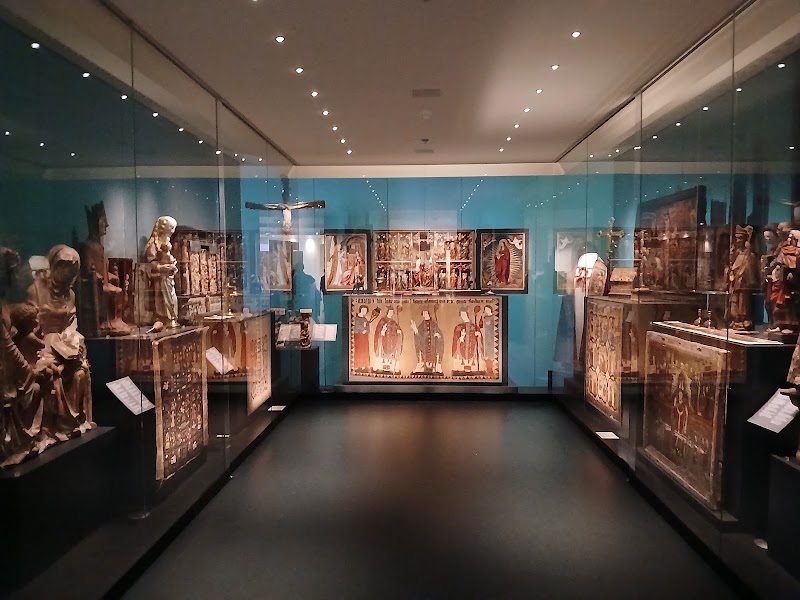
And what's inside is, frankly, the whole story of the island in one building. You start with the settlement age — the first Norse arrivals, their tools, their combs, their little bronze pins that held together clothes for people who had absolutely no time for anything falling apart in that wind — and you walk, gallery by gallery, all the way to the modern republic. It's rare to find a museum that genuinely spans a thousand years without feeling like it's rushing you through the middle bit just to get to the gift shop. This one takes its time.
There's also a strong run of twentieth-century photography tucked into the collection, which I always tell people not to skip — it's easy to fixate on the Viking-age swords and walk right past the black-and-white faces of Icelanders who lived through the country's transformation from farms and turf houses to independence and concrete. Both are the same story, just different centuries of it.
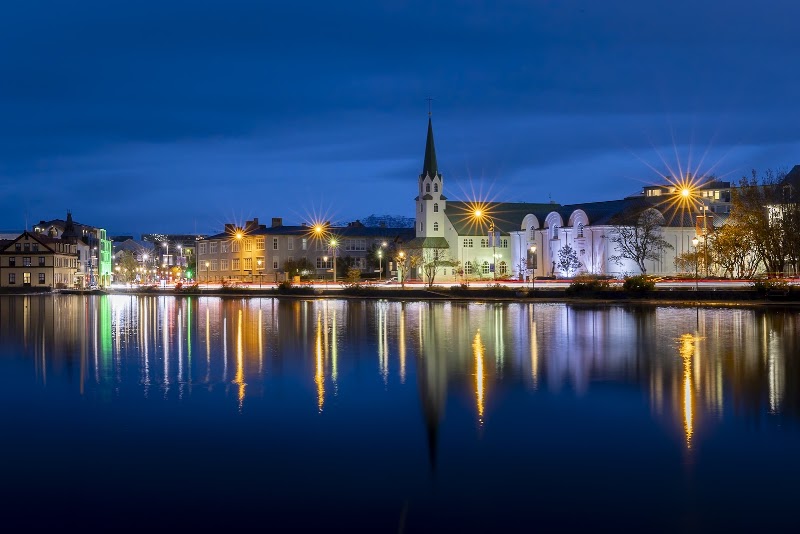
Give yourself a proper hour inside if you can — it's open now, ten to five most days — and when you come out, breathe, because the next stop is a complete change of pace: Tjörnin, the pond, about seven minutes on foot, where the ducks have absolutely no interest in the Settlement Age whatsoever.