Pocket Tour Guide
Chișinău
Chișinău · Moldova

Chișinău’s Civic Heart & Quiet Curiosities

5.5hDuration
7Stops
3.3 kmDistance
The city

Chișinău

Listen

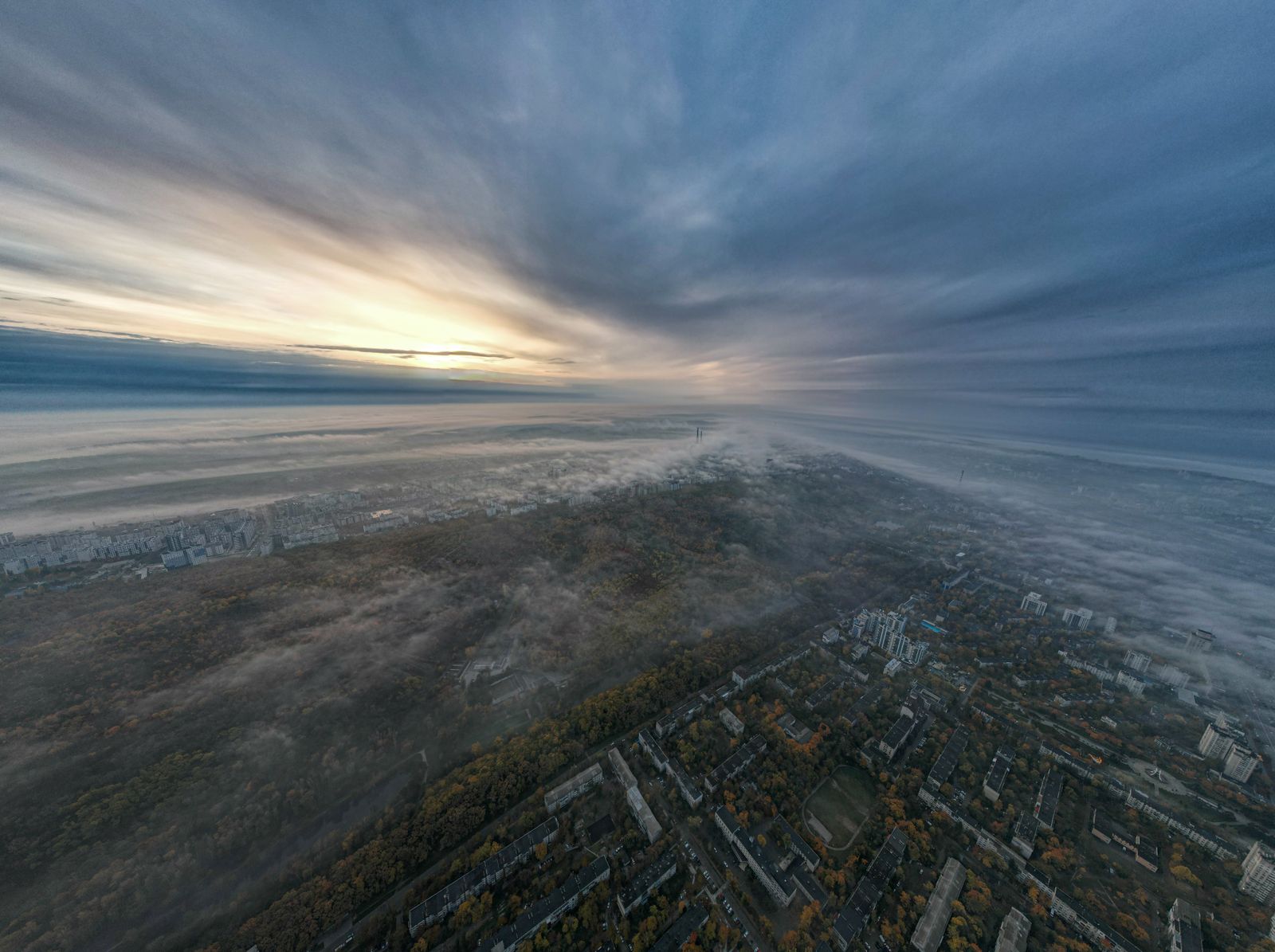
You know what nobody tells you about this city? It's built on wine. Literally — there's a network of cellars under Cricova and Mileștii Mici not far from here so vast that people used to get lost in them, and one has streets with actual names, like a subterranean town where the only residents are several million bottles minding their own business. Chișinău itself sits on top of the story the country tells about itself: a settlement that shows up in records around the late 1400s, a mill town on the Bâc river, way before anyone had opinions about borders. The land underneath is older than that, of course — Dacian tribes, then Slavic settlers drifting through — but the "founding," if you want to pin it down, is really just a monk's mill and a stubborn little river.

Layout-wise, don't overthink it. The city center is walkable and green — genuinely one of the greenest capitals you'll stroll through, because after earthquakes and wars flattened chunks of it more than once, they kept replanting instead of just repaving. Ștefan cel Mare Boulevard is your spine, named for the medieval prince everyone here still talks about like he might walk in any minute — half history, half folk hero, statues of him looking appropriately unimpressed with modern traffic. Wander off that boulevard and you'll hit the real texture: the Central Market where babushkas sell pickles with the seriousness of arms dealers, and courtyard cafés hidden behind Soviet apartment blocks that look grim outside and cozy as your grandmother's kitchen inside.

Architecturally it's a bit of a fashion show that never agreed on a theme — you'll get 19th-century Russian imperial buildings, interwar Romanian touches, then a hard swerve into Soviet concrete blocks, and now glass towers elbowing in. It shouldn't work. It mostly does, in a scrappy, unpretentious way. Keep an eye out for the Nativity Cathedral and its bell tower in the park — that's your best golden-hour photo, especially early morning when the light comes in low and the pigeons haven't organized yet.

People here speak Romanian mostly, Russian widely, and switch between them mid-sentence without blinking — don't be surprised, just enjoy the linguistic acrobatics. Orthodox Christianity shapes the calendar, so if you're here near Easter, watch for the midnight processions with candles, genuinely beautiful, genuinely worth losing sleep over. And a tip locals live by: never hand someone an even number of flowers — that's for funerals only, odd numbers for the living. Small rule, saves you an awkward moment. Now go get lost in the good way — this city rewards the wrong turn.

The route

7 stops through Chișinău

1
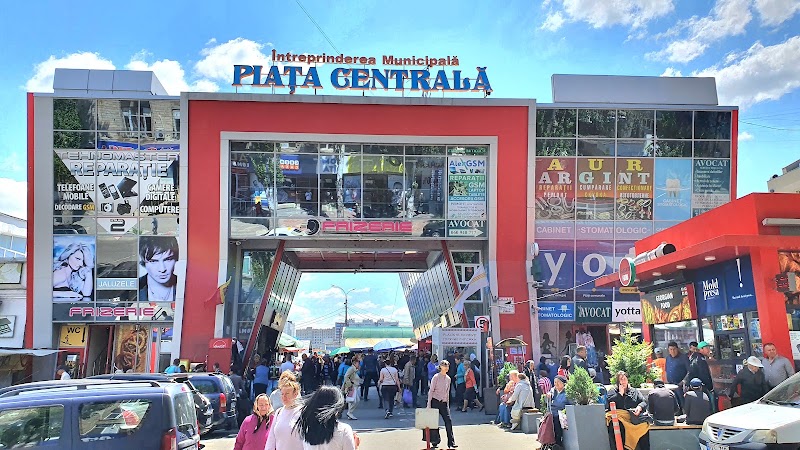
Central Market
market

Central Market

A lively everyday market reveals Chișinău at its most local, from seasonal produce and pickles to household bustle and conversation.

25 min · rated 3.7
Open in Google Maps

Twenty-four thousand people have left a review of a vegetable market, which tells you something — either Chișinău takes its tomatoes very seriously, or everybody in this city has walked through here at least once and had an opinion about the pickle lady. I'd bet on both.

This is not a place built for tourists, and you can feel it the second you step under that hall roof. It's a working market — real households doing real Tuesday-morning shopping, grandmothers arguing sweetly with vendors over the price of sour cherries, plastic bags rustling, someone always shouting a number across the aisle. Go slow past the cheese counters and the barrels of pickled everything — cabbage, watermelon, garlic, whatever the season allows to be drowned in brine and made glorious. This is Moldovan kitchen culture on full display, no menu needed, just point and taste.

I like to come here not to buy anything grand, just a handful of walnuts and an argument-free conversation about the weather with whoever's selling honey that week. Notice the baked goods stalls too — the placinta, the round flatbreads — because that's lunch sorted for about the price of a coffee back home.

It runs Tuesday through Sunday, six in the morning until six at night, so if you're here on a Monday, you'll be talking to a locked gate and nothing else. From here it's about fifteen minutes on foot to the Metropolitan Cathedral of Christ's Nativity — good timing, actually, since you'll want to walk off a placinta or two before standing in front of something a bit more solemn.
Listen
2
Metropolitan Cathedral of Christ's Nativity
temple

Metropolitan Cathedral of Christ's Nativity

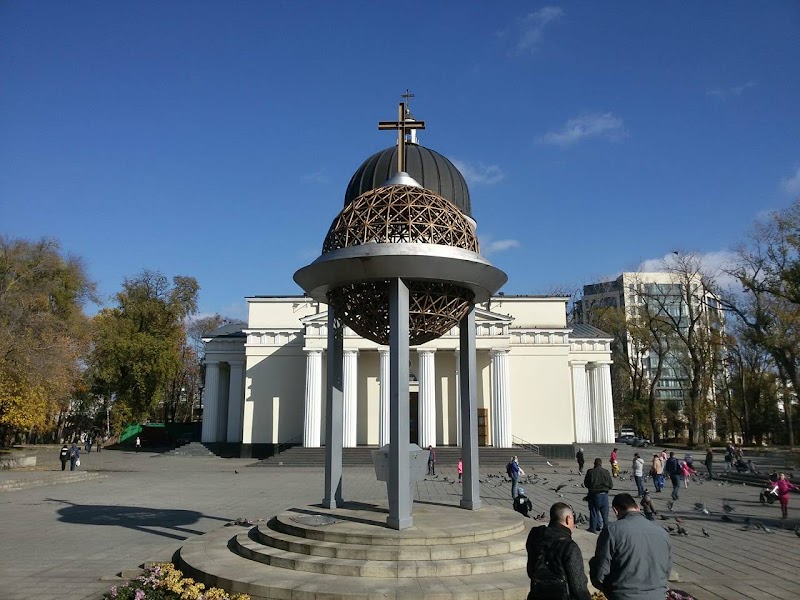
Neoclassical Moldovan Orthodox church built in the 1830s, with an ornate, fresco-lined interior.

20 min · rated 4.7
Open in Google Maps

White columns, that clean triangular pediment, a big dome catching the light — this could almost pass for a Greek temple if someone hadn't put a cross on top. That's Neoclassical for you, the style that looked at ancient Athens and said "yes, but make it holy." Built in the 1830s, and honestly, walking here straight from the chaos of the market, with grandmothers haggling over pickled everything, this square hits you like a change of key in a song — suddenly everything's calm and symmetrical.

Step inside and the outside's cool restraint completely betrays you. The frescoes cover practically every surface — saints, scenes, gold catching whatever light comes through — that rich, layered style Orthodox churches do so well, where your eyes don't know where to land first so they just wander. I always tell people: stand in the center, look straight up into the dome, and give it a solid thirty seconds before you look at anything else. It resets you.

This is very much a working church, not a museum piece — locals come for services, for a quiet candle, for a moment away from the square's noise, so keep the voice down and the camera modest, especially if there's a liturgy happening. It's open early too, from 8 AM, which is honestly my favorite time to catch it, before the square fills up.

For a photo, back up toward the middle of the square and get the bell tower standing separately alongside the main facade — the two together, white against sky, is the classic shot here. When you're ready, it's a short six-minute stroll to the Triumphal Arch, so let's wander that way.

3
The Triumphal Arch
landmark

The Triumphal Arch

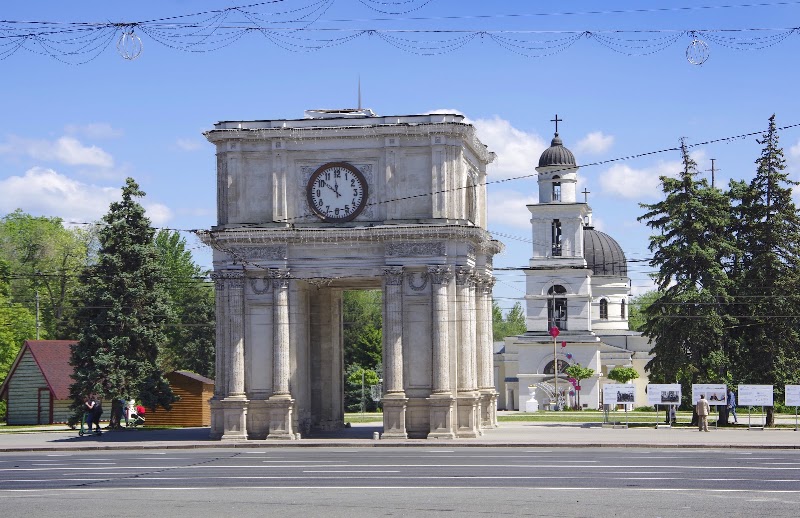
This compact 1840s arch and its historic bell are an enduring emblem of the Moldovan capital.

10 min · rated 4.7
Open in Google Maps

Thirteen meters. That's it — you could probably out-jump it if you had a good enough run-up and questionable knees, which mine no longer are. And yet look how this little arch owns the whole square, standing there so calm and white while government buildings and cathedrals try to upstage it. It never works. Small but stubborn, like most Moldovans I've met — I say that with love.

They put it up in 1840 to celebrate the end of a Russo-Turkish War, and honestly, arches like this were the victory selfie of the era — permanent, expensive, and built to make sure nobody forgot who won. But wander underneath it and look up: there's a clock in there, and even a bell, which is a strange thing to give an arch, don't you think? Most monuments just stand around looking important. This one actually keeps time and used to ring — half triumphal gate, half town crier.

Come stand here on a Sunday and you'll see it doing its real job now — not military parades, just grandmothers meeting friends, kids on scooters doing dangerously optimistic laps around the base, couples taking the exact photo you're probably about to take. That's the trick of this square, it absorbed the whole city's grandeur and turned it into a living room.

Get your shot from the cathedral side, framing the arch with the government building peeking behind it — one frame, three centuries of ambition. Then let's walk four minutes over to meet Stephen the Great himself, standing tall on his pedestal like he's still not entirely sure about all this modernization happening behind him.

4
Stephen the Great Monument
landmark

Stephen the Great Monument

The bronze medieval ruler stands at the entrance to the city’s most beloved park, framed by one of Chișinău’s classic civic vistas.

15 min · rated 4.7
Open in Google Maps

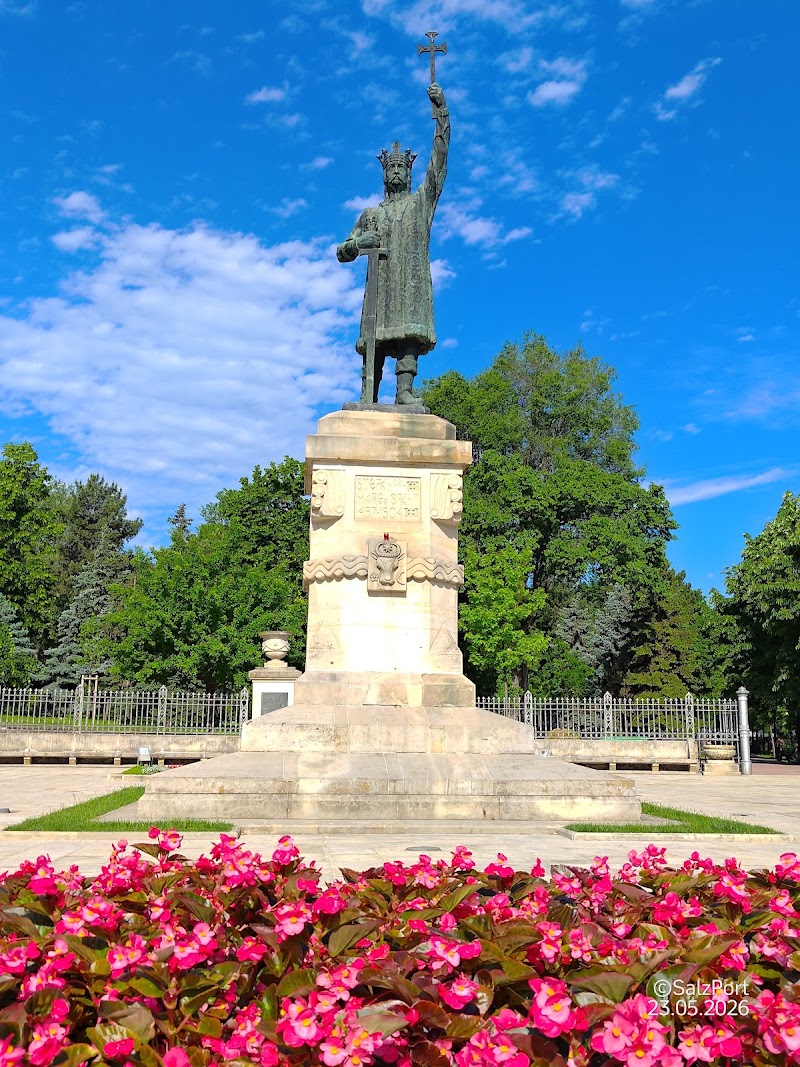
There he is — bronze, bearded, cross in hand, looking down that boulevard like he owns it. Which, in a manner of speaking, he does, because that whole avenue behind you is named for him: Bulevardul Ștefan cel Mare și Sfînt, Stephen the Great and Holy himself. I always tell people, in Naples we put saints in niches and hope for the best. Here they put the whole country's favorite ruler at the front door of the park and let him run traffic.

This fellow ruled Moldavia centuries ago, but the statue you're looking at is much younger than the man — raised in the 1920s, which in monument years is practically a teenager. Think about what this bronze has watched since then: kingdoms, occupations, a whole alphabet of political changes, and he just stands there, unbothered, sword hand steady. That's the kind of composure I try to have when I'm improvising a shortcut through a city I've only half-mapped in my head.

Locals don't just walk past him, mind you — this is where Chișinău actually gathers. Couples get photographed here, students meet here before heading into the park behind him, and on national holidays you'll find flowers stacked at his feet like offerings to the city's own patron uncle. It's less a tourist photo-op and more a civic living room, which is rare for a monument this famous.

Stand back a few steps and you'll get the classic frame — Stephen in bronze foreground, the green gates of the park opening behind him like a stage curtain. Snap that shot, then let's walk it off — nine minutes down the boulevard and we're at the National Museum of Fine Arts, where the drama moves from bronze to canvas.

5
National Museum of Fine Arts of Moldova
museum

National Museum of Fine Arts of Moldova

Founded in 1939, this art museum features local & international paintings, sculpture & other works.

55 min · rated 4.7
Open in Google Maps

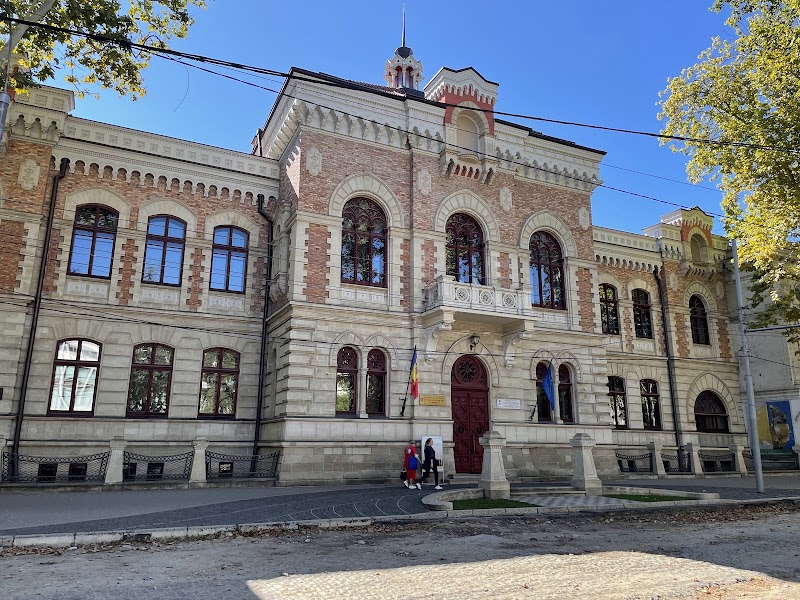
Right, so this one's been quietly collecting art since 1939 — which, if you know anything about what happened to this part of Europe in the twentieth century, is a small miracle in itself. A museum surviving that stretch of history with its collection intact is like a Neapolitan surviving a family argument about whose nonna makes better sauce — technically possible, but you don't take it for granted.

Inside, and I mean this as a genuine compliment, it's a bit of a grab bag — local painting and sculpture rubbing shoulders with international work, which tells you this place was never trying to be just one thing. It was built to show Moldova to itself and the rest of the world to Moldova, both at once. That's a harder trick than it sounds.

Here's my local tip, free of charge: this is a Tuesday-to-Sunday place, closed Mondays, so if you're planning your week like a proper traveler and not a chaos gremlin, check that before you march up expecting doors to open. Locals use it exactly how you'd hope — students sketching, grandparents with grandkids, nobody in a rush, because it's not a checkbox stop, it's a place people actually go back to.

Give yourself a real chunk of time inside if you can — this isn't a five-minute photo-and-go. When you're done, it's a short stroll, maybe eight minutes, over to the National History Museum of Moldova, which is a good next gear-shift: from painted stories to the older, dustier, equally dramatic ones.

Listen
6
National History Museum of Moldova
museum

National History Museum of Moldova

Archaeological treasures, Soviet-era stories, and the striking outdoor Capitoline Wolf trace Moldova’s many-layered past.

65 min · rated 4.6
Open in Google Maps

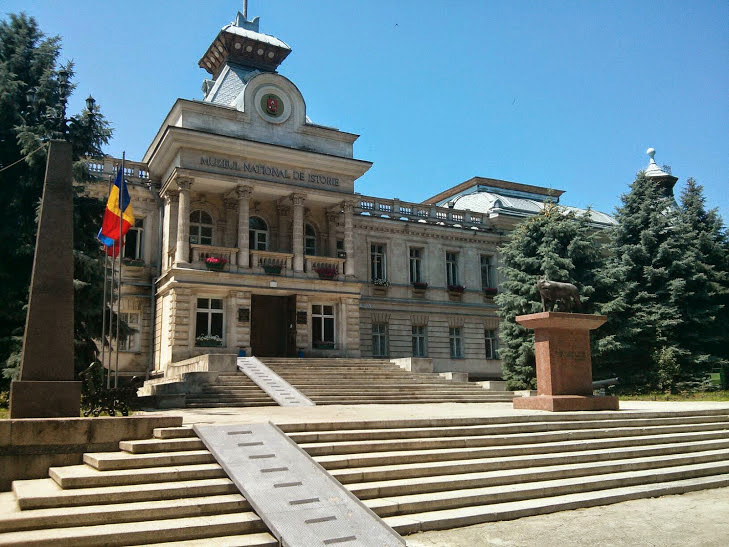
There she is — the wolf, right out front, feeding two little bronze humans who clearly have no idea a wolf is not a babysitter. That's Romulus and Remus, the founders-of-Rome legend, and yes, it's a bit of a strange thing to find standing guard outside a Moldovan history museum. It's here because it's a gift from Rome itself, a nod to the Latin roots of the Romanian language and the whole Romanian-speaking world — Moldova included. So before you even buy a ticket, you've already got your first lesson: this country's story pulls threads from a lot further away than you'd guess.

Inside, the building itself has lived a few different lives, the way a lot of things in this city have — this whole place has that layered, been-rebuilt-more-than-once feeling, which honestly fits perfectly with a museum whose whole job is showing you layers. You'll walk through everything from ancient archaeology — real dug-from-the-ground stuff, pottery, tools, the bones of civilizations nobody wrote postcards from — through to the Soviet era, with all its posters, propaganda, and the particular flavor of bureaucratic seriousness that era loved so much. It's a proper timeline, ancient to modern, told through photos, books, and artifacts, and it doesn't rush you.

Go on a Tuesday if you can arrange your week around a museum, which, let's be honest, some of us do — it opens at 10:00 in the morning. Mondays it's shut tight, so don't be that traveler rattling the doors.

For your photo, stand back far enough to get the wolf in the foreground with the museum's facade behind her — that's your one shot that tells the whole story in a single frame, ancient legend meeting modern building. Then when you're done here, it's a short stroll, about thirteen minutes, to the old water tower and the National Museum of Romanian Literature — a nice leg-stretch between two very different kinds of storytelling.

Listen
7
Former Water Tower & National Museum of Romanian Literature
museum

Former Water Tower & National Museum of Romanian Literature

90 min · rated 4.6
Open in Google Maps

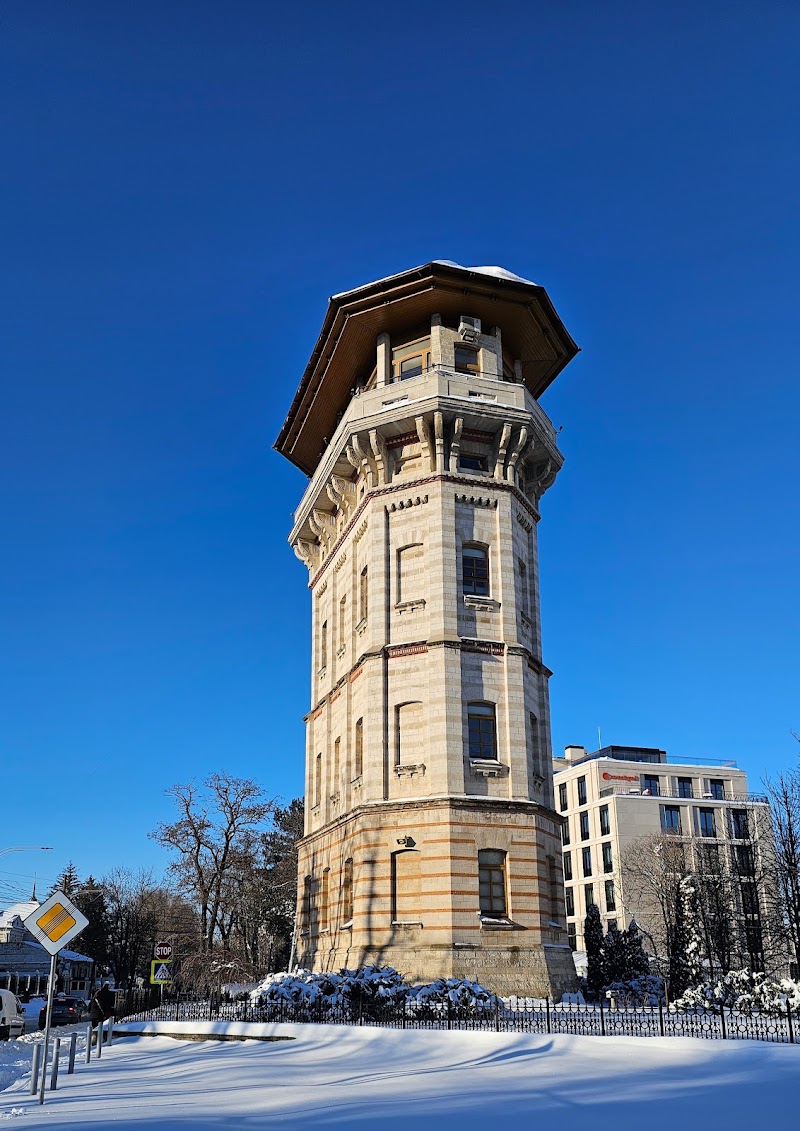
You know a building has had an interesting life when it started out pumping water and ended up storing poetry. Look at it — that squat, sturdy silhouette with the tower rising up like it's still expecting to hold a tank of water on top. Because it was. This whole structure was built to serve Chișinău as a water tower, part of the city's old water system, and somewhere along the way somebody looked at it and thought: this deserves better than pipes.

Now it's the National Museum of Romanian Literature, which if you think about it is a pretty poetic upgrade — from carrying water that keeps the body alive to holding words that do the same for everything else. I love buildings like this, the ones that get a second act nobody could have predicted. Naples has a few — old aqueduct towers turned into who-knows-what — but there's something particularly satisfying about a water tower choosing literature as its retirement plan.

It's Tuesday, so you're in luck — open ten to six, plenty of time to duck inside if the mood takes you, though even from out here the tower shape alone is worth a slow look and a photo, that industrial bones-of-the-city silhouette against whatever's happening in the sky today.

And that, my friend, is a proper way to close a day — starting with the grand halls of history back at the museum, and ending here, at a tower that quietly changed jobs. Seven stops, one city, and a water tower reading poetry. Go get a coffee, put your feet up — you earned it today, and so did I just watching you keep pace.

Listen
Walking map of the route
Powered by Geoapify · © OpenMapTiles · © OpenStreetMap contributors
Behind the day

How it was made

Built around

Interests
HistoryArt & museumsHidden gemsLocal lifeArchitecture

Shape of the day

Length
6 hours planned
Time of day
Morning start
Pace
Balanced

Asked for

Narrated in
English
Planned and narrated by Pocket Tour Guide from these answers.
Keep wandering

Other days, made public

Reykjavik
Reykjavik · Iceland

Sagas, Sculpture & Skyline Views

8 stops · by Mario
Tromsø
Tromsø · Norway

Arctic Stories & Wooden Tromsø

6 stops · by Mario
Lefkada
Lefkada · Greece

Lagoon Light & Wooden-Laned Lefkada

7 stops · by Mario
Nafplio
Nafplio · Greece

Old Town Nafplio: History, Stone Lanes & Sea Views

10 stops · by Pocket

Put a storyteller in your pocket.

Your next free afternoon deserves better than a top-10 list.

Made with ♥ and Pineapples by zuapp.me