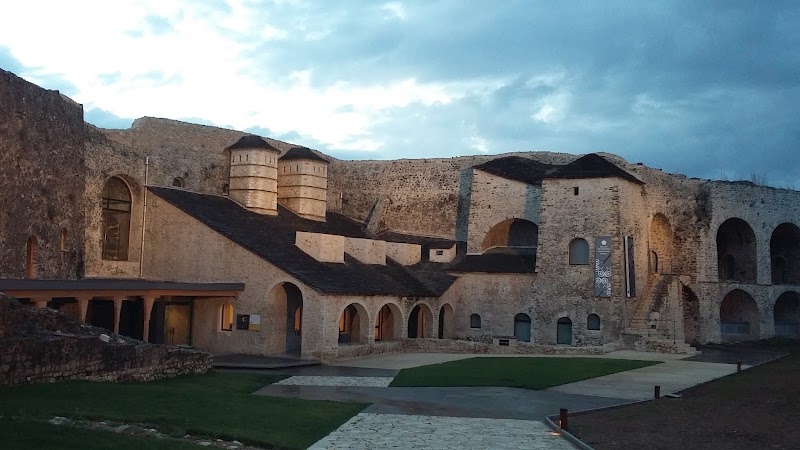
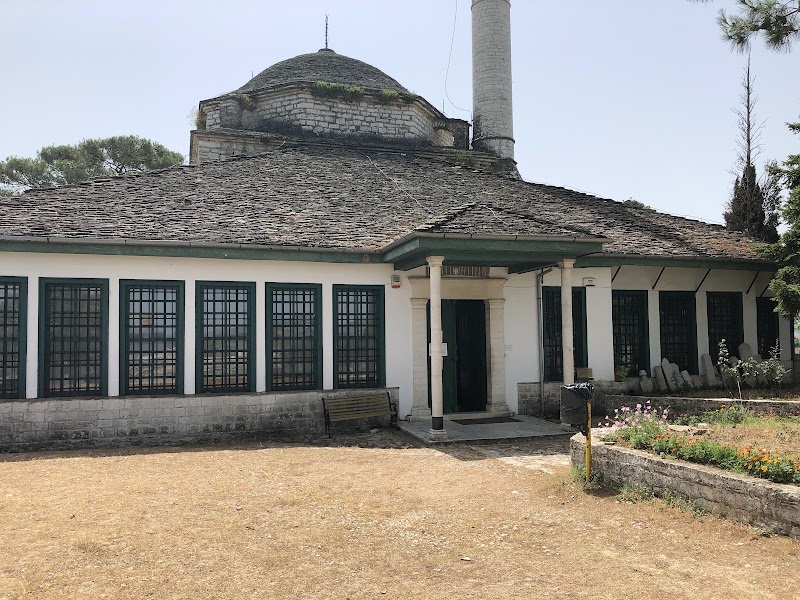
You see that dome first, don't you? That round, low silhouette against the sky, looking nothing at all like what you'd expect from a museum. That's because before it was a museum, it was — and technically still architecturally is — a mosque. This is the Aslan Pasha Mosque, and the fact that it now holds Ioannina's Municipal Ethnographic Museum inside it tells you everything about how this city layers its history like baklava layers filo: one culture right on top of the last, and you can still taste every one of them.
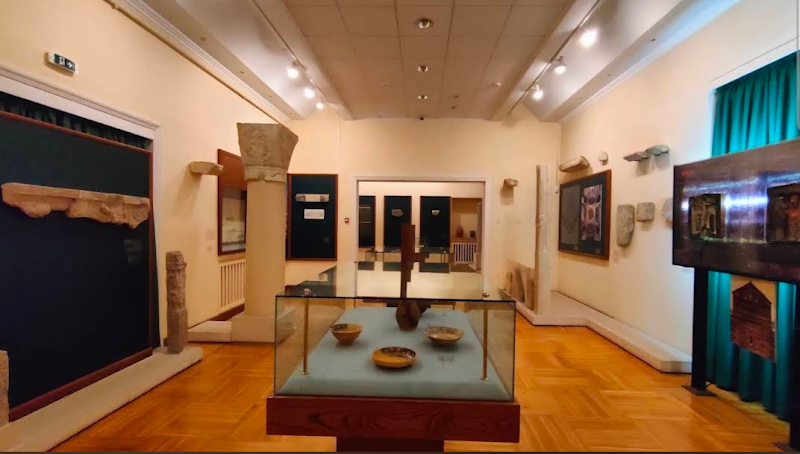
Walk in and you're not just looking at exhibits, you're standing inside the building itself as an artifact. The costumes, the old photographs, the Jewish and Muslim and Christian community pieces they've gathered here — they're not just telling you "this is what Ioannina wore, this is what Ioannina cooked." They're doing it inside a room shaped like a prayer hall, under a dome that used to catch the call to prayer and now catches tour groups whispering "oh, look at that." It's a strange and wonderful kind of honesty about a city that was Ottoman, Greek, Jewish, and everything in between, sometimes all in the same generation.
I always tell people: don't rush the small rooms. The traditional costumes especially — the embroidery work will make you understand why grandmothers in this region never, ever wanted their needlework criticized. There's real pride stitched into that thread, generations of it.
Give yourself maybe half an hour inside, it's compact but dense — mornings before 4:30 close are your window, so don't leave it for evening. When you're done, we've got about twenty-two minutes of pleasant walking ahead of us to Ζαχαροπλαστειο Ν. Τριανταφύλλου, and trust me, after all this culture, your next lesson is going to be a much sweeter one.